The suit that works on a hanger can fall apart the moment the day begins. Under church lighting, in photographs, standing beside a dress chosen months in advance, every shortcut shows. That is why wedding suits deserve a very different level of thought from ordinary occasionwear. The right one does not simply fit the brief. It sharpens your presence, moves cleanly from ceremony to evening, and feels unmistakably like you at your best.
A wedding suit is not only about formality. It is about proportion, balance and the quiet confidence that comes from knowing nothing is pulling, collapsing or sitting awkwardly. For a groom, that assurance matters. You are greeting family, standing still for long periods, embracing people, sitting, walking, dancing and being photographed from every angle. A suit that looks impressive for ten minutes is not enough.
What sets wedding suits apart
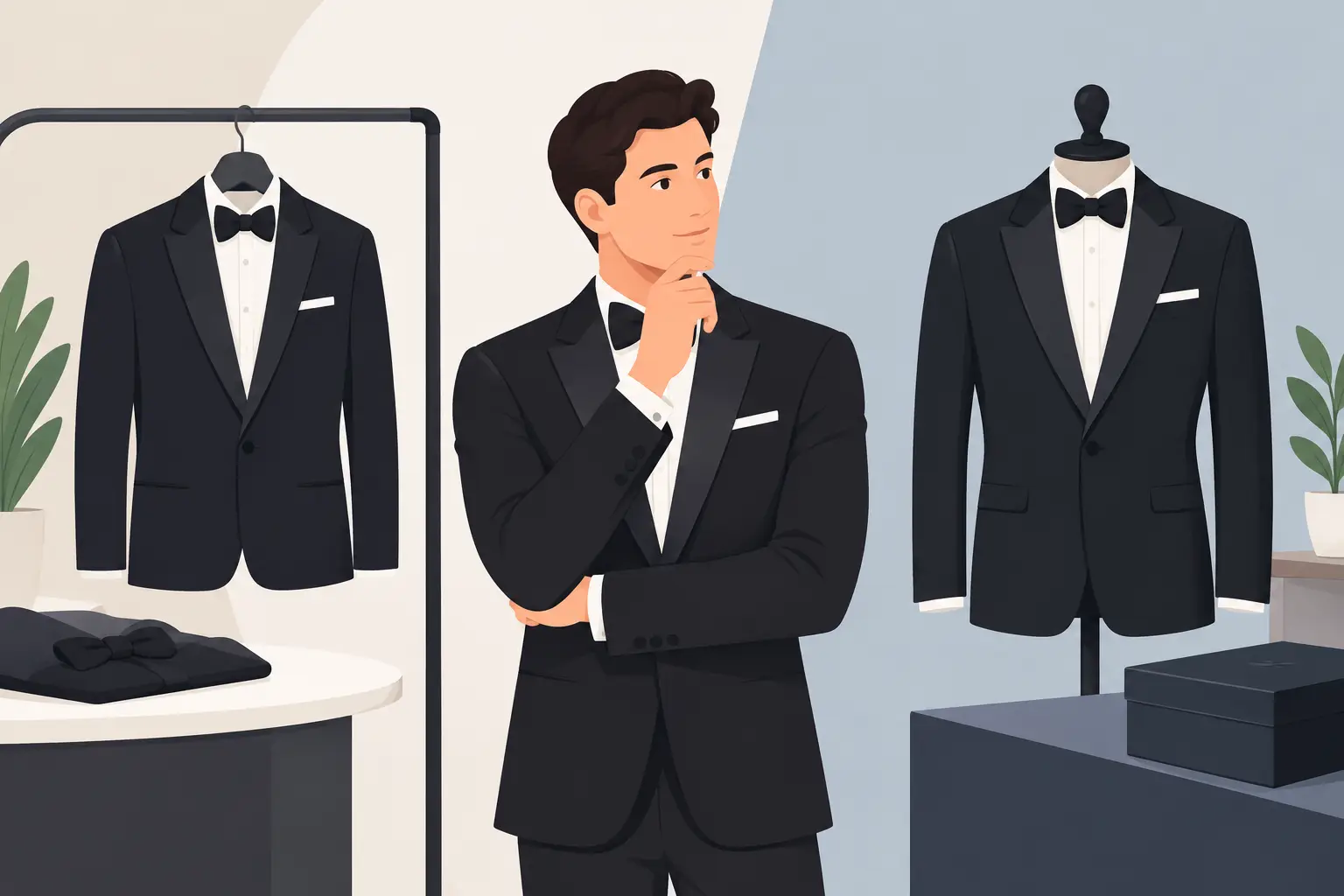
The distinction begins with intent. Business tailoring is built around repetition and daily wear. Eveningwear follows its own strict codes. Wedding suits sit in a more nuanced space. They must respect the tone of the ceremony, complement the setting, and still express the wearer’s character without looking theatrical.
That balance is where many men go wrong. They either play it too safe and end up looking anonymous, or push too hard for a statement and date the look instantly. The best wedding tailoring is considered rather than loud. It uses cut, cloth and finishing to create distinction in a more assured way.
Morning weddings, country house settings and black tie receptions all ask for something different. So does the season. A heavy cloth in midsummer will feel punishing by noon, while an airy open-weave fabric may lack the authority needed for a winter ceremony. There is no universal answer, only the right answer for the event, the wearer and the atmosphere you want to create.
Fit matters more than trend
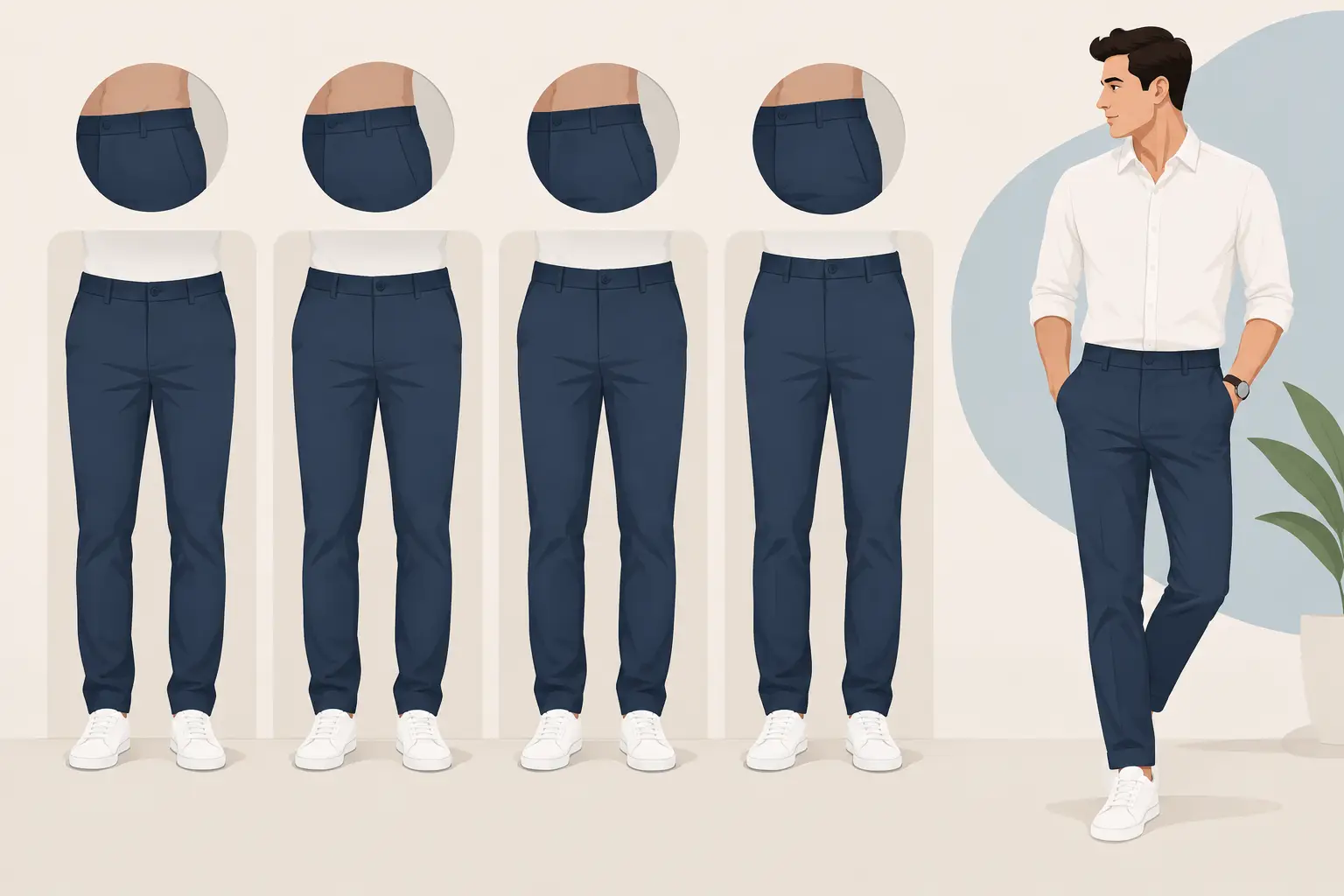
If there is one element that elevates wedding suits above everything else, it is fit. Trend has a short shelf life. Precision does not. A well-cut jacket should shape the torso without strain, sit cleanly at the collar, and allow the sleeves to fall neatly with enough shirt cuff visible. Trousers should lengthen the leg rather than bunch at the shoe or cling through the thigh.
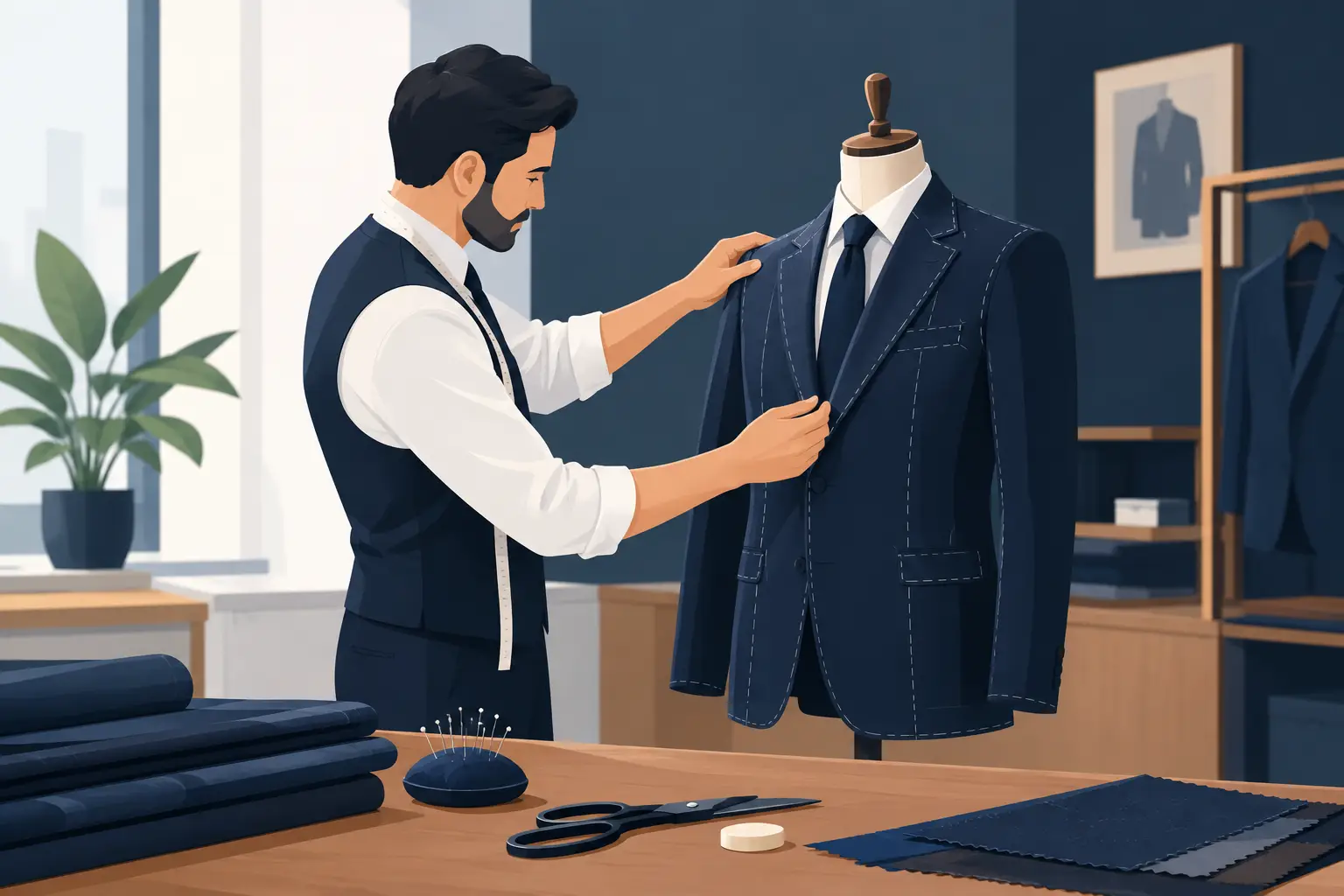
This is where bespoke and properly custom tailoring prove their worth. Real fit is not about choosing small, medium or large versions of the same pattern. It is about sculpting the garment to the individual body. Sloping shoulders, a prominent seat, forward posture, athletic proportions, asymmetry through the arms – all of these details affect how a suit hangs. Ignore them and the result always looks slightly off, however fine the cloth may be.
For weddings, that precision becomes even more valuable because the suit is under scrutiny for an entire day. You notice comfort in the quiet moments as much as the big ones. When the jacket remains balanced while you stand at the front, when the waistband stays clean after dinner, when the silhouette still looks composed at the evening reception, that is craftsmanship doing its work.
Choosing cloth for wedding suits
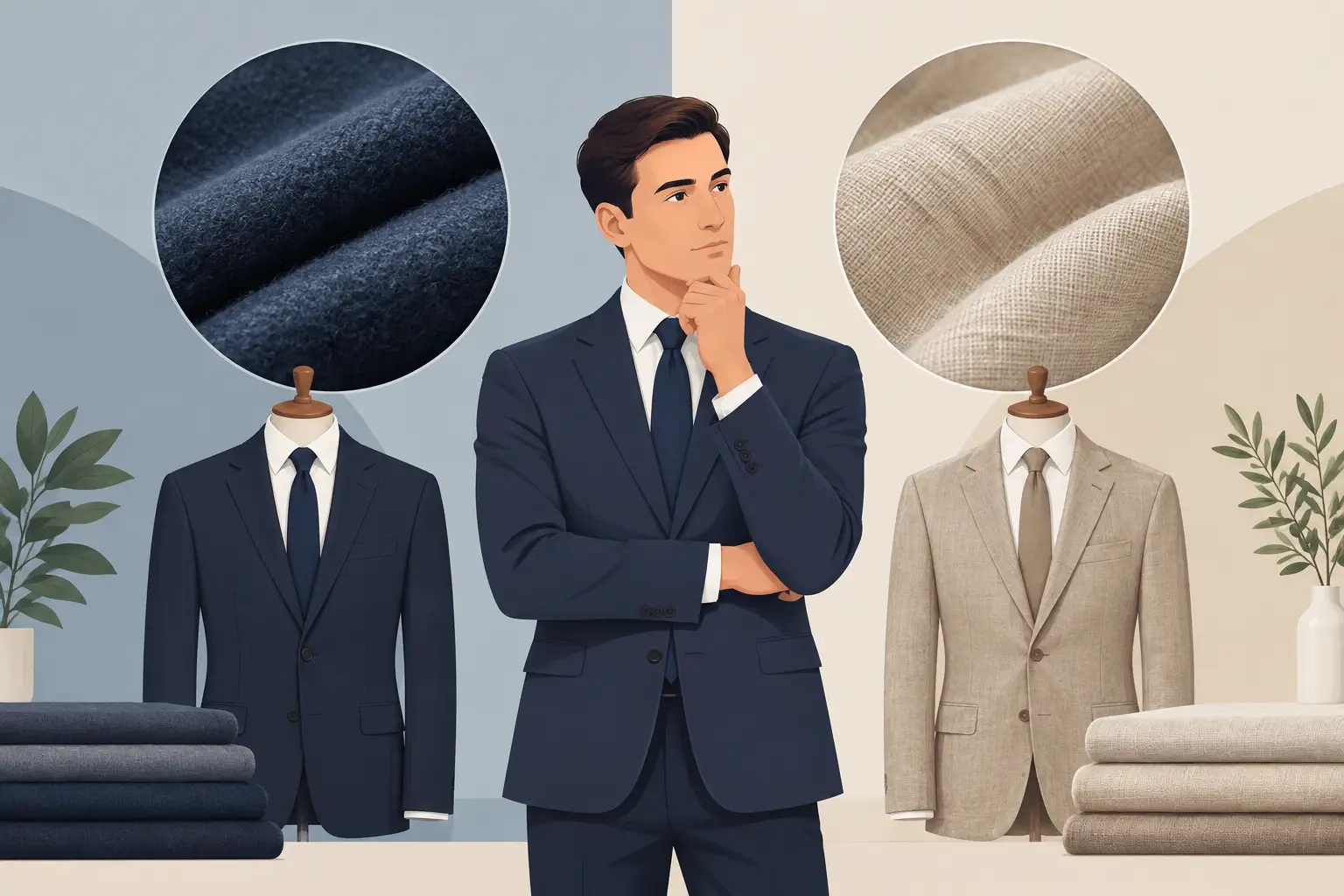
Fabric sets the mood before anyone registers the cut. A deep navy worsted brings authority and clarity. Mid-grey can feel elegant and understated, particularly for civil ceremonies or minimalist venues. Richer tones such as bottle green, tobacco or burgundy can work beautifully, though they demand confidence and a strong sense of context.
Texture often matters as much as colour. Plain, flat cloth can appear formal and sharp, but a subtle weave gives depth under natural light and often photographs better. Fresco, hopsack, high-twist wool and wool-silk blends all create different effects. Some offer crispness and breathability, while others provide a softer lustre more suited to evening settings.
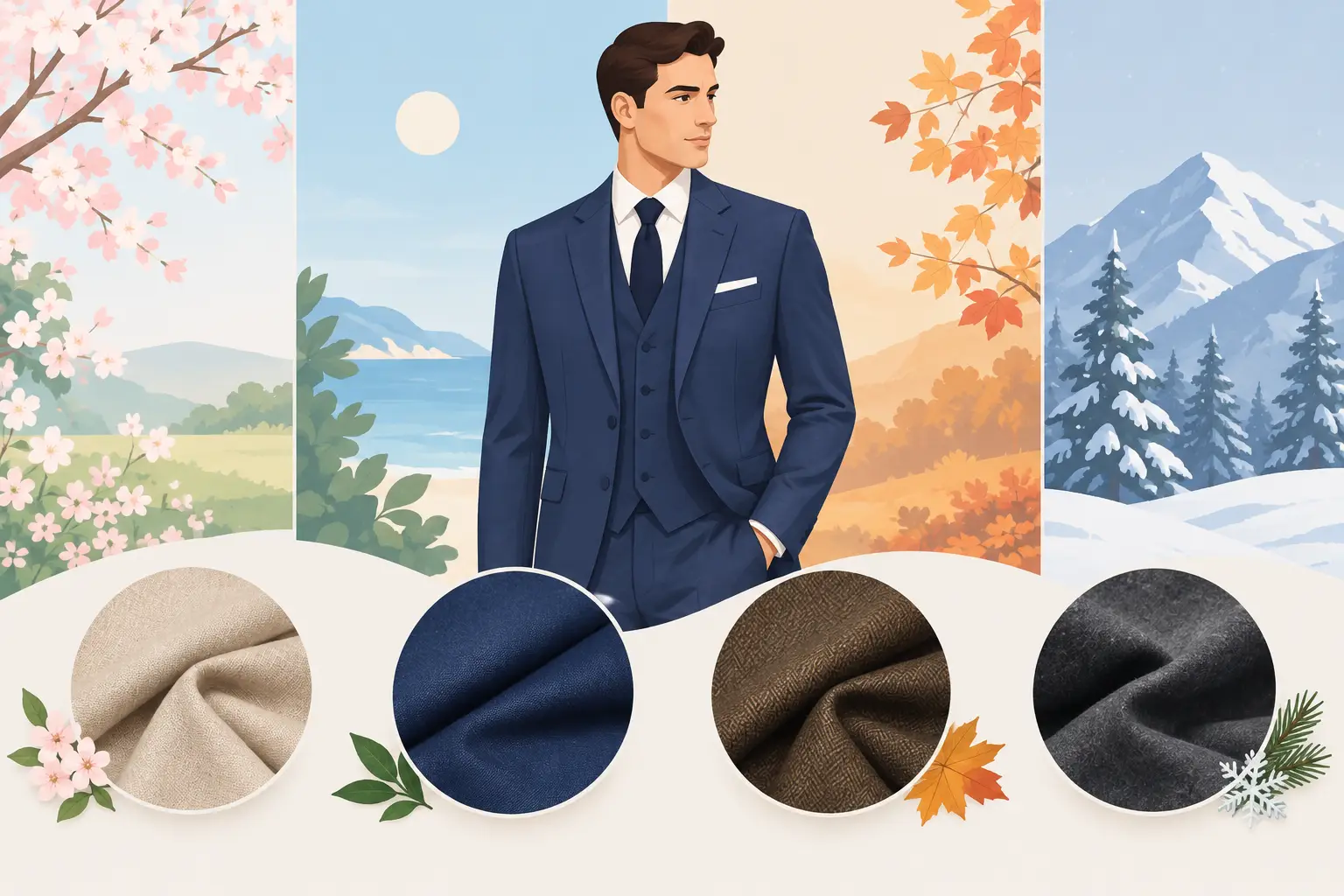
There is also the question of seasonality. Spring and summer weddings favour lighter weights and breathable structures, especially if the ceremony extends outdoors. Autumn and winter invite fuller cloths with more body. That does not mean thick or cumbersome. It means choosing a fabric with enough character to sit properly and hold its line.
A common mistake is selecting cloth purely from a swatch under studio lighting. Fabric should be considered in relation to venue, time of day and skin tone. The same navy can read cool and severe on one man, warm and refined on another. This is why expert guidance matters. The goal is not simply to choose an expensive fabric, but the right fabric for the man wearing it.
The cut should match the man and the occasion
Silhouette is where personal style truly enters the conversation. Some men suit a stronger shoulder and more structured chest. Others look better in a softer, lighter make that feels relaxed but still disciplined. Neither is inherently superior. The cut has to support your frame and the formality of the event.
Single-breasted jackets remain the most versatile choice for wedding wear, especially in navy, charcoal or mid-toned neutrals. They are clean, adaptable and easy to style across the whole day. Double-breasted jackets can be striking and elegant, but they are less forgiving if the proportions are not exactly right. They also project more confidence, which is excellent when that suits the wearer, but less convincing when chosen only for effect.
Trousers deserve equal attention. A higher rise usually creates a cleaner line and a more sophisticated silhouette, especially with a waistcoat or braces. Side adjusters often look neater than a belt at a wedding, where visual interruption through the waist can weaken the overall finish. Pleats, when cut properly, can add elegance and comfort rather than volume.
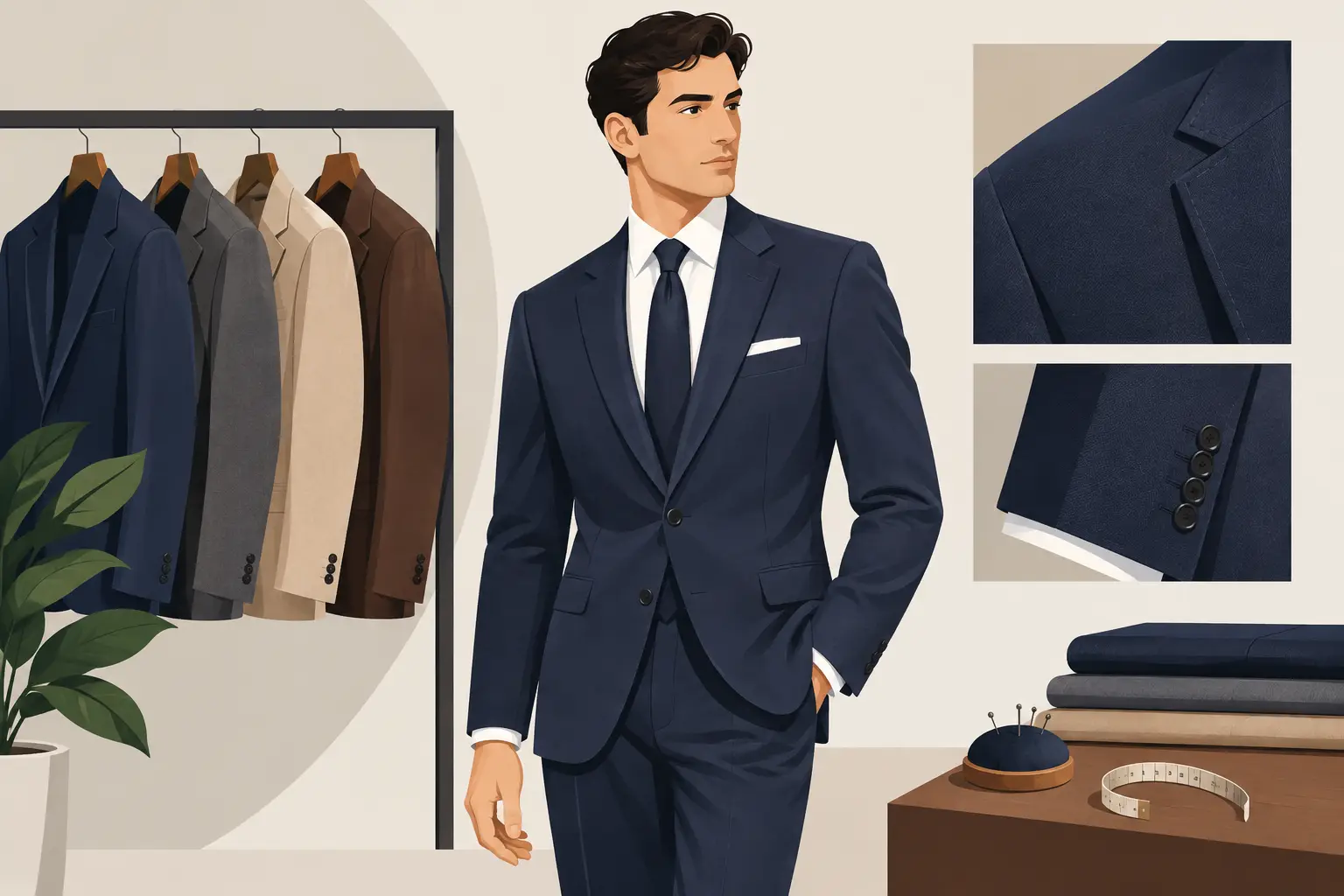
Then come the finishing details. Lapel width, button stance, pocket style, lining, horn buttons, hand-finished edges – none of these should feel decorative for their own sake. Each should reinforce the character of the suit. The most refined wedding tailoring never looks busy. It looks resolved.
Groom, groomsmen and the question of coordination
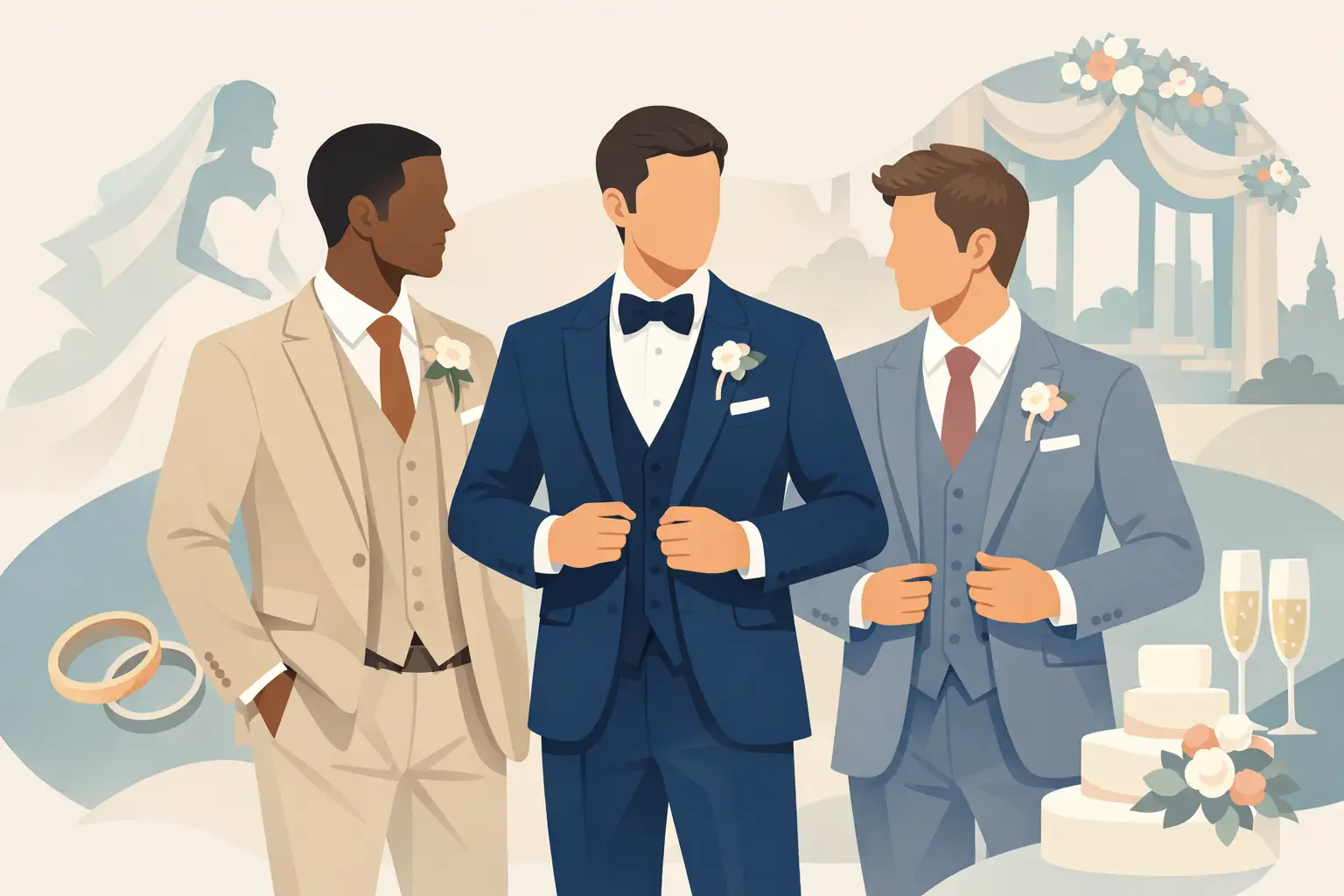
Not every man in the wedding party should dress identically. Uniformity can flatten individual presence and often works against good fit, particularly if garments are hired or chosen off the peg. Coordination is the better aim. The groom should feel distinct, but not disconnected from the rest of the party.
That distinction can be created through cloth, cut or accessories. A waistcoat in a complementary tone, a sharper lapel shape, a more elevated shirt, or a handmade tie and pocket square can all set the groom apart without forcing the contrast. If the groomsmen are wearing suits rather than morning dress or black tie, consistency in formality matters more than exact replication.
There is also a practical consideration. Different body types need different solutions. One man may require more structure through the shoulder, another more room through the seat and thigh. Trying to impose a single ready-made look on every member of the party often leads to mediocre results across the board. Better to create a coherent visual language and tailor within it.
Why alterations alone are not always enough
Alterations can transform a decent garment, but they cannot rewrite its architecture. If the chest is wrong, the balance is poor, or the armholes are cut too low, there is only so much adjustment can achieve. This matters because many men assume a few changes will turn any suit into wedding-ready tailoring. Sometimes that is true. Often, it is not.
The earlier the process begins, the better the outcome. Bespoke or made-to-measure allows decisions to happen at the right stage rather than as corrections at the end. That means cleaner proportions, better movement and a garment designed around the wearer from the beginning.
For those who do start with an existing suit, thoughtful alterations can still make a real difference. Sleeve length, trouser taper, jacket suppression and waist adjustments all help refine the silhouette. But it is worth being realistic about the limits. Wedding dressing is too visible an occasion to rely on compromises that remain obvious to the eye.
Styling the whole look with restraint
A strong suit can be undermined by fussy styling. The shirt should support the tailoring, not compete with it. Crisp white remains the clearest choice in most settings, though soft ivory or pale blue can work depending on the palette and complexion. Collar shape matters more than many realise, especially once the tie and jacket are in place.
Shoes should be elegant, polished and appropriate to the formality of the day. Black is more ceremonial. Dark brown can soften the look beautifully in daytime or country settings. Accessories are where personality can enter, but restraint is what keeps the result sophisticated. A tie with texture, a pocket square with hand-rolled edges, finely made braces beneath the jacket – these details read as considered rather than contrived.
At Manndiip, this is often where the final polish happens. Not through excess, but through exactness. The right accessory does not shout. It completes.
The best wedding suit is the one that still feels convincing when the attention shifts away from the clothes. It should allow you to stand taller, move easily and look composed without self-consciousness. If it achieves that, it has done something rarer than making a good impression. It has given the day a version of you that feels entirely equal to the occasion.