A jacket can fit beautifully through the shoulders and chest, yet still look faintly wrong if the length is off. That is often the detail men struggle to name, but it is the one the eye notices immediately. If you have ever asked what is the ideal jacket length, the answer is less about a rigid rule and more about proportion, balance and the role the jacket is meant to play in your wardrobe.
In tailoring, length is not a minor finishing choice. It affects how broad your shoulders appear, how long your legs look, where your waist sits visually and whether the silhouette feels authoritative, relaxed or dated. Get it right and the entire coat settles into harmony. Get it wrong and even excellent cloth can look compromised.
What is the ideal jacket length in tailoring?
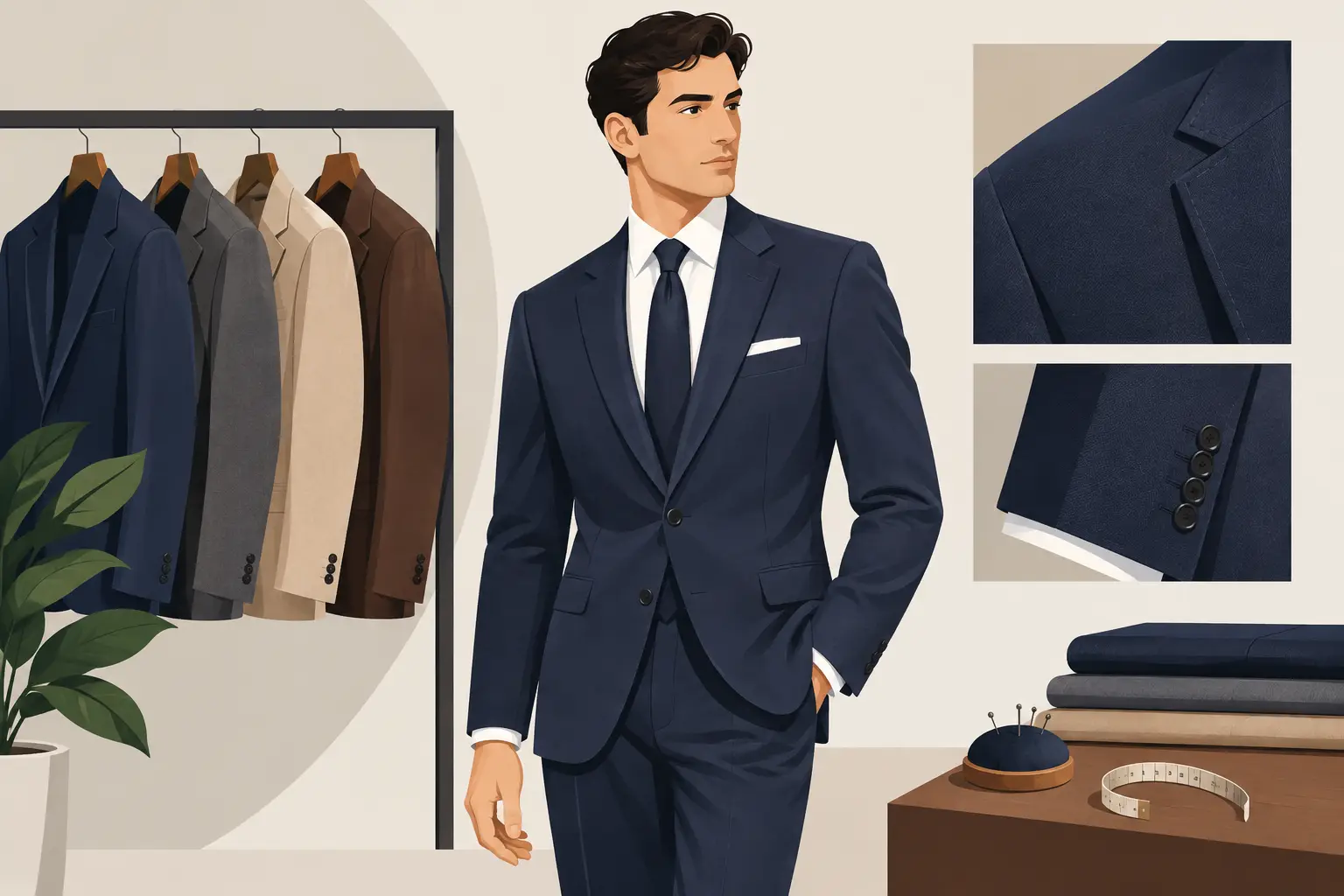
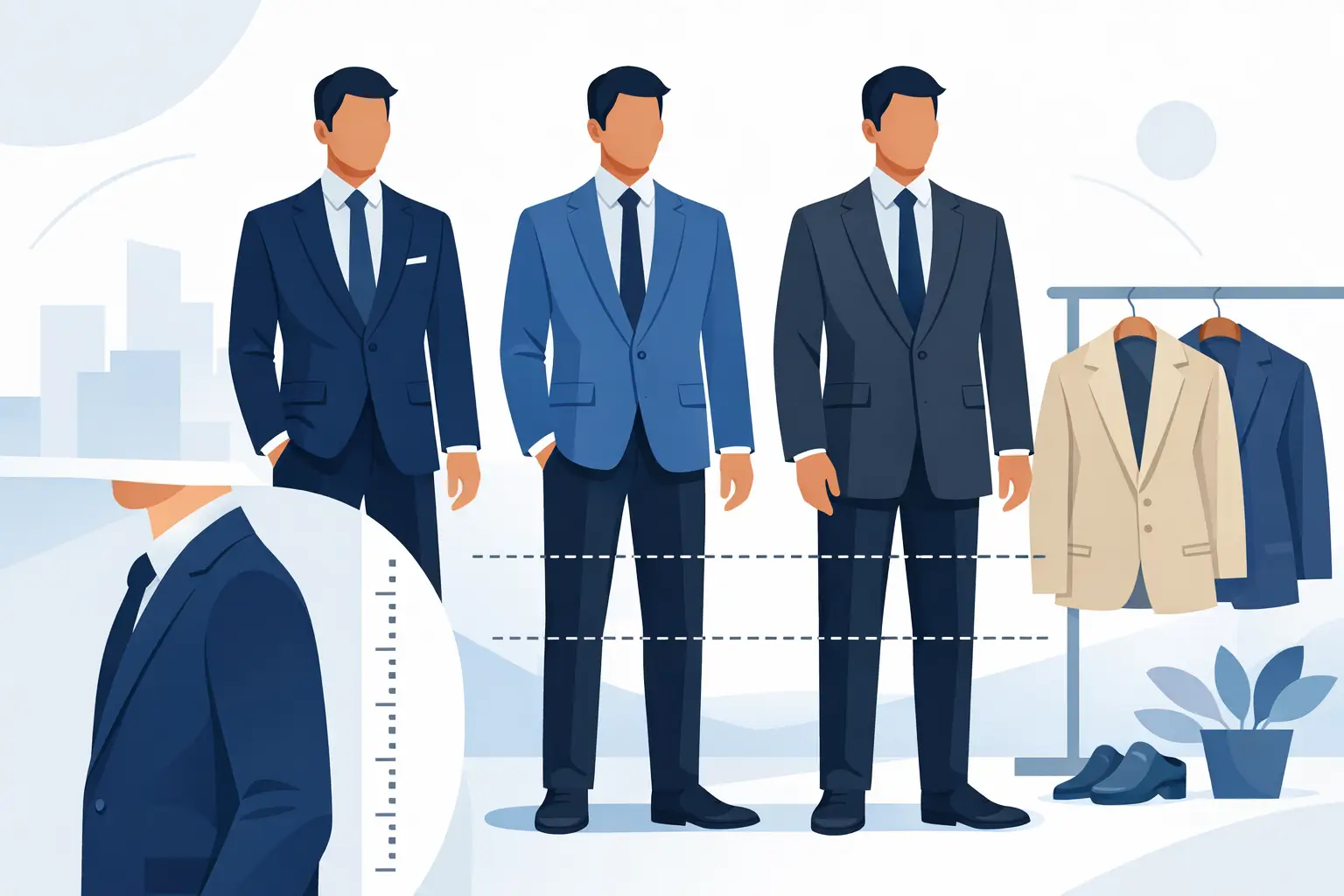
The ideal jacket length is the one that creates visual balance between your upper and lower body while allowing the coat to serve its purpose. Traditionally, a tailored jacket should cover the seat and finish around the point where the fingers naturally curl when the arms rest by the sides. That guideline remains useful, but it is only a starting point.
A business jacket, wedding coat or formal dinner jacket is not judged in isolation. It is read alongside your height, stance, trouser rise and the shape of the coat itself. A shorter man may benefit from a slightly trimmer length to avoid looking swamped, while a taller man often needs enough length to keep the silhouette grounded. The right answer is therefore precise rather than generic.
This is where bespoke and thoughtful alteration make a visible difference. Jacket length is one of the clearest examples of why fit is not simply about tight or loose. It is about architectural proportion.
The classic rule, and where it still works
For decades, the standard advice was simple – the hem of the jacket should roughly divide the body in half and cover the curve of the seat. In many cases, that still produces an elegant result. It gives the coat enough authority for business wear, keeps the line clean from the waist down and honours the classic English tailoring tradition.
For men building a professional wardrobe, this remains a sound benchmark. A jacket that is too short can read as fashion-led rather than refined, and in a corporate or formal setting that can undermine the quiet confidence a well-cut suit should project. A touch too long, on the other hand, tends to drag the figure downward and make the legs appear shorter.
The difficulty is that the old rule assumes an average build and a fairly standard trouser rise. Modern wardrobes are more varied than that. Trousers now sit at different heights, men are more aware of silhouette, and occasion dressing often asks for a slightly different expression.
Why jacket length depends on body proportions
When clients ask what is the ideal jacket length, the most honest answer is that it depends first on proportions, not height alone. Two men of the same height may need different lengths if one has a longer torso and the other longer legs.
If you have a longer body and shorter legs, an excessively long jacket will exaggerate that imbalance. A slightly shorter cut can restore elegance by allowing more visual leg line. If your legs are long and your torso is comparatively short, a little more length often creates composure and prevents the coat from looking cropped.
Posture matters too. A man who stands very erect wears cloth differently from someone with rounded shoulders or a forward head position. The jacket must hang cleanly from the collar and drape correctly over the back. A technically correct measurement can still look wrong if posture has not been accounted for in the pattern.
This is why length should never be chosen from a mirror alone. It must be assessed in movement, from the side and from the back, with attention to how the coat relates to the rest of the body.
What changes with different jacket types?
Not every tailored jacket should obey the exact same length principle. A lounge suit for the office, a wedding jacket, a dinner jacket and a casual tweed coat each carry different expectations.
A business suit usually benefits from a more classic length. It conveys stability, seriousness and polish. For a man who spends much of his week in tailored clothing, this tends to be the most versatile option because it remains elegant across meetings, formal events and everyday professional wear.
A wedding jacket can allow for slightly more expression, but it should not lose composure. Many grooms are tempted by very short coats because they appear modern on a hanger or in a social media image. The risk is that they date quickly and photograph less gracefully over time. A well-proportioned jacket with a clean waist and controlled skirt will still feel contemporary without sacrificing dignity.
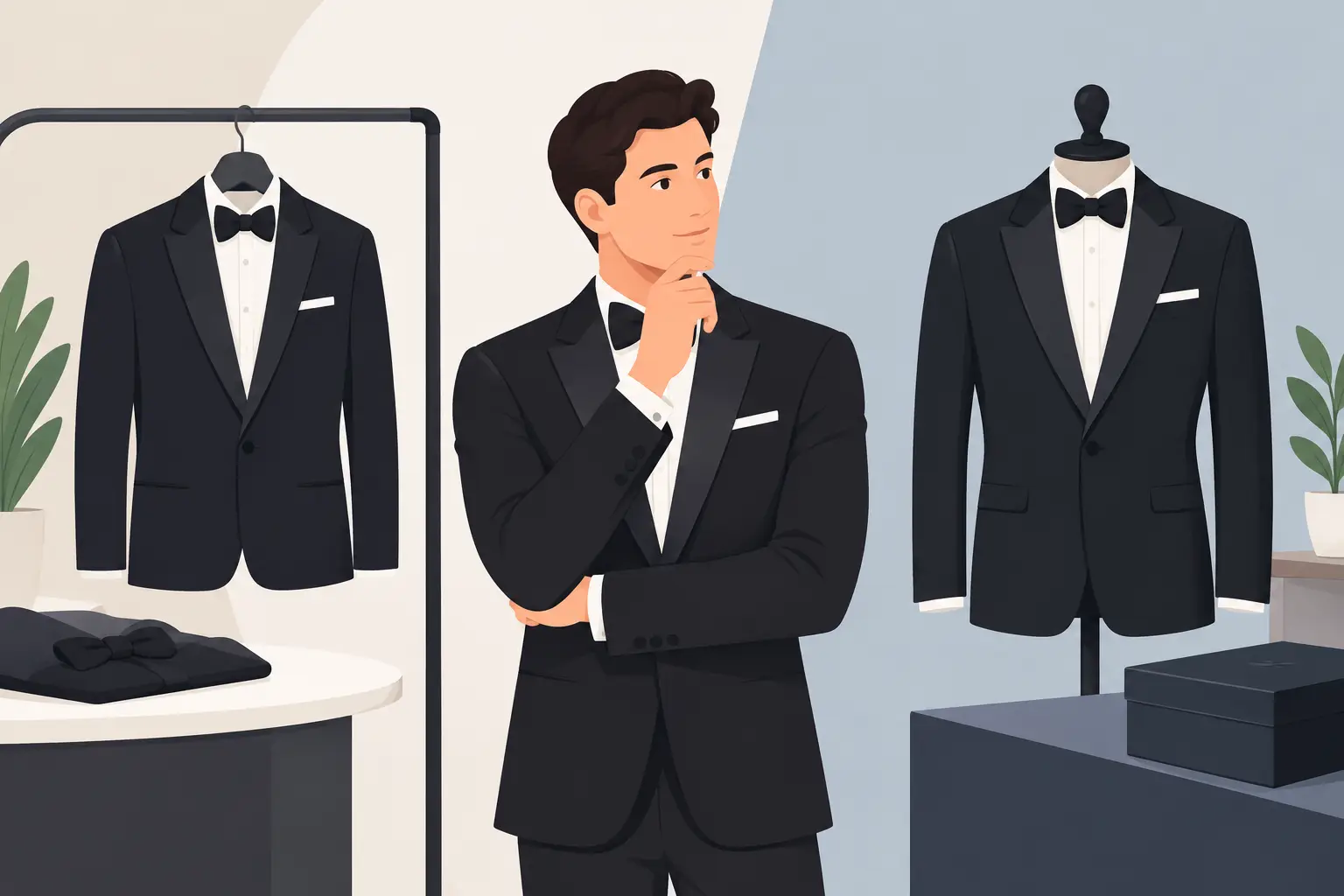
Dinner jackets and formalwear can sometimes sit a touch shorter depending on the cut, especially when the silhouette is clean and the trousers are properly raised. Even then, balance is the governing principle. Formal dress should elongate and refine the body, not chop it into sections.
Country jackets and tweed pieces often tolerate a fraction more length, particularly when designed as outer layers. Their visual weight and texture suit a slightly fuller expression, though they still need a disciplined line.
Signs your jacket is too short or too long
A jacket that is too short often reveals itself before you consciously identify it. The seat may be exposed, the coat may look perched rather than settled, and the lower half of the body can appear disproportionately long. On some frames this can look fashion-conscious; on others it simply looks skimpy.
A jacket that is too long creates the opposite problem. It can make the wearer appear shorter, reduce the apparent length of the legs and remove shape from the silhouette. The coat may feel heavy through the skirt, particularly if the buttoning point is low.
There is also a more subtle issue: the wrong length can distort the relationship between the waist suppression and the hem. Even a finely tailored jacket can lose elegance if the length fights the quarters, pocket placement or overall line of the front.
The trouser question most men overlook
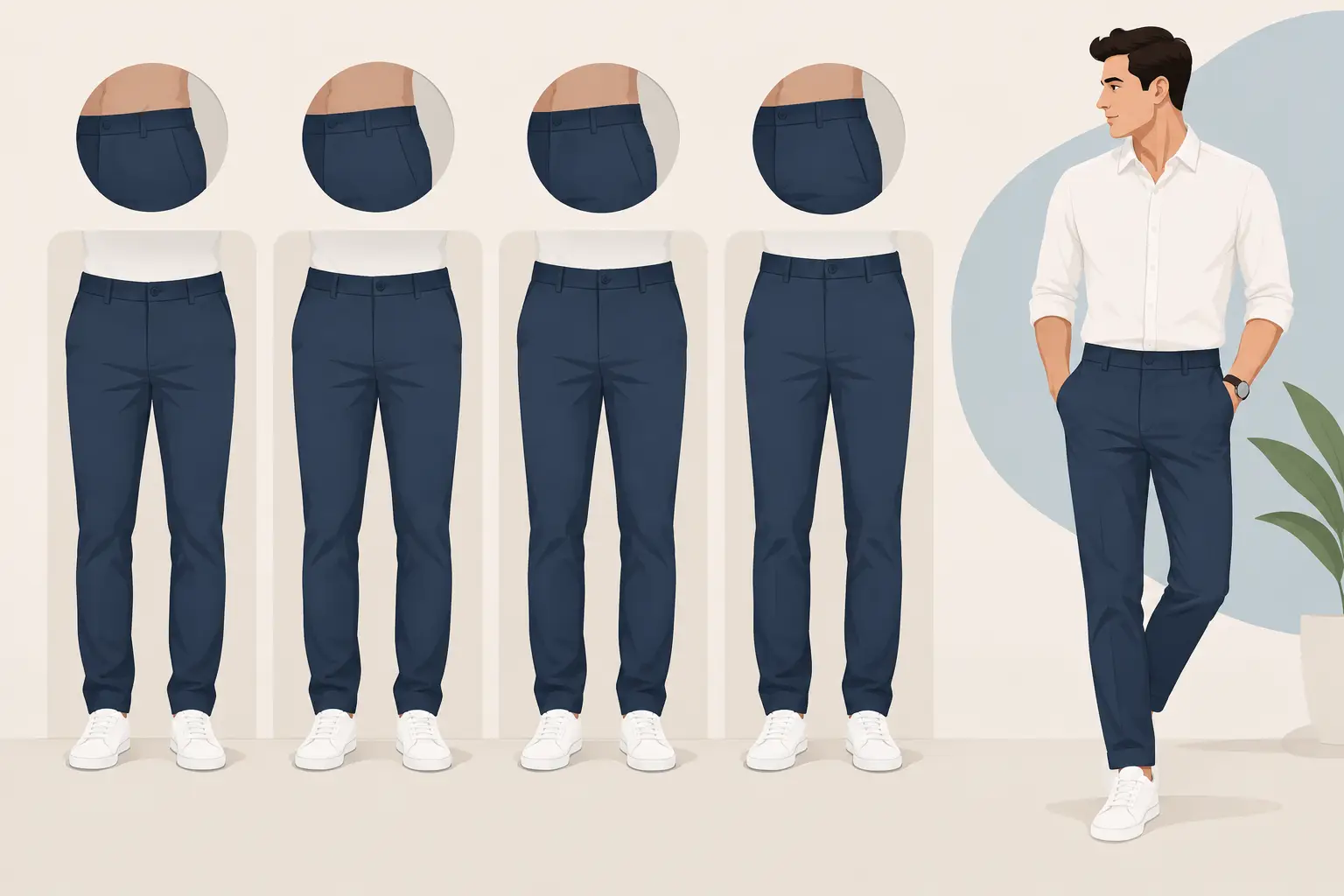
Trouser rise has a major influence on what jacket length looks right. Higher-rise trousers allow the jacket to sit in a more flattering dialogue with the waist, often making a classic length feel cleaner and more intentional. Lower-rise trousers can make the same jacket appear longer and less balanced.
This is one reason off-the-peg tailoring can be frustrating. The jacket and trousers may each be acceptable on their own, yet the pairing lacks harmony. In custom tailoring, both garments are considered together so the visual proportions remain coherent.
If you want the silhouette to look sharper, do not judge the coat without considering where the trousers sit. The line from shoulder to hem is only half the story.
Can a jacket’s length be altered?
Length can sometimes be adjusted, but not without consequences. Shortening from the hem may interfere with pocket position, button balance and the flare of the skirt. Lengthening is usually limited by the inlay available and rarely offers generous scope.
That is why getting the length right at the outset matters so much. Alterations can refine many aspects of fit, but jacket length is among the more sensitive changes because it affects the entire design of the garment. A skilled tailor will tell you plainly when an alteration is viable and when it will compromise the coat.
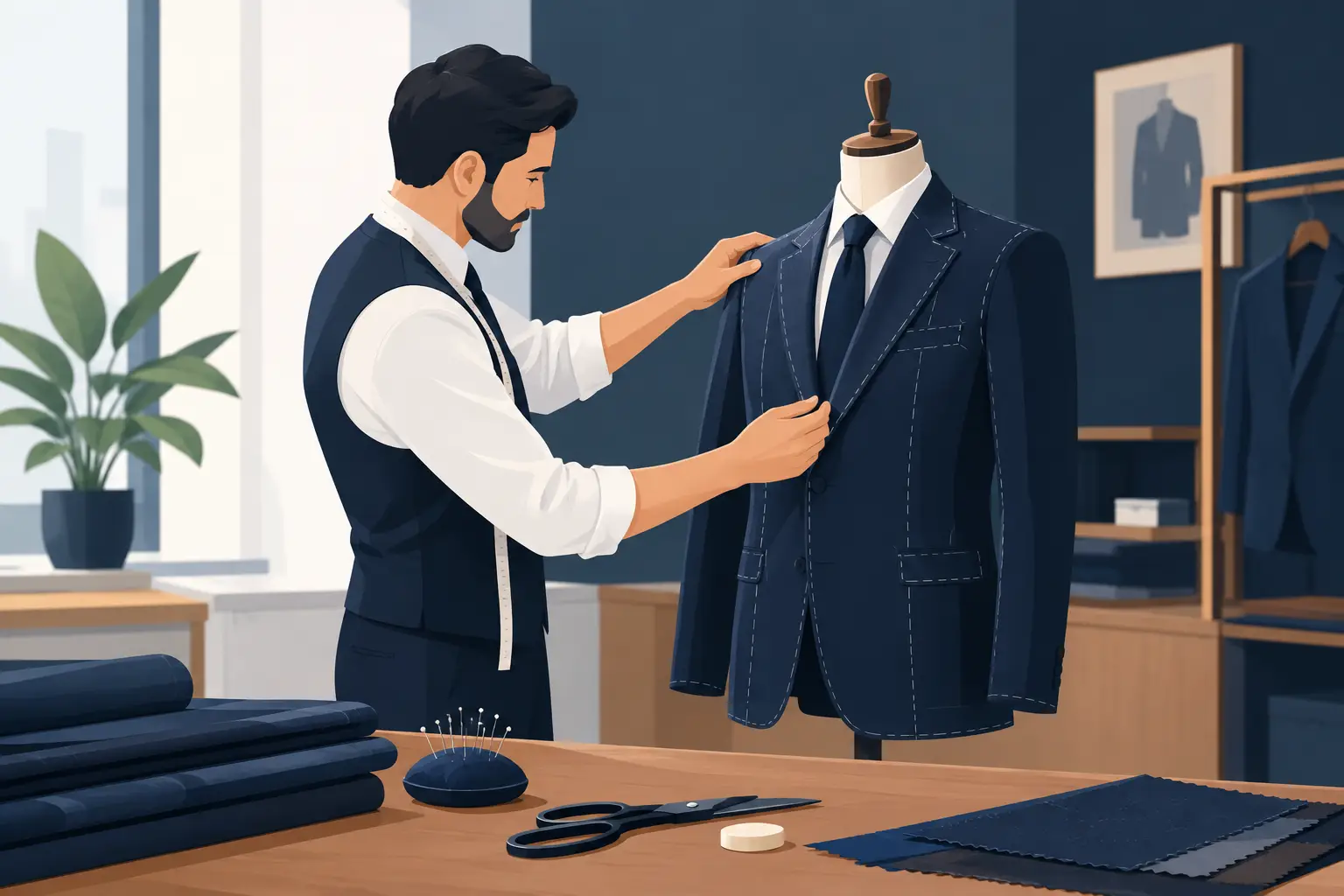
For bespoke work, the advantage is clear. The length is established from your body, your posture, your style objectives and the garment’s intended use. At Manndiip, this is part of the difference between simply wearing a jacket and wearing one that feels meticulously crafted for you.
How to judge the ideal jacket length on yourself
Stand naturally in front of a full-length mirror wearing the trousers you intend to pair with the jacket most often. Let your arms rest comfortably at your sides and check whether the coat covers the seat cleanly without sinking too far below it. Then turn sideways and assess whether the jacket flatters your stance rather than pulling attention to the hips or shortening the leg line.
More importantly, ask what role the jacket needs to play. If it is meant for daily business wear, favour timeless proportion over trend. If it is for a wedding or a more expressive wardrobe, there may be room for a slightly sharper interpretation, but it should still respect your frame.
The best jacket length never shouts. It quietly strengthens everything else – your posture, your presence and the sense that your clothes belong to you rather than merely fit you.
A well-cut jacket should make your proportions look inevitable, as though no other length would have made sense.