
A shirt can sit beneath a jacket and still decide the entire impression. The line of the collar, the way the cuff meets the wrist, the fall of the cloth across the chest – these details register instantly, even when no one can quite explain why one man looks composed and another merely dressed.
That is where custom shirts earn their place. They do more than solve common fit issues. They bring clarity to a wardrobe, allowing each outfit to feel more intentional, more comfortable, and significantly more refined.
What custom shirts do that ready-to-wear cannot
Most ready-to-wear shirts are built around averages. Average neck. Average shoulder slope. Average arm length. Average posture. Few men are average in all of those respects, which is why even a good off-the-peg shirt often asks for compromise.
The collar may feel correct but the torso balloons. The sleeve length may be acceptable but the cuff swallows the wrist. The shoulders may sit reasonably well while the chest pulls open between buttons. In isolation, each issue seems minor. Together, they affect comfort, movement and polish.
Custom shirts are designed around the individual body rather than a standard size block. That shift matters more than many men expect. A shirt that follows your proportions cleanly will sit better beneath tailoring, drape more elegantly on its own, and remain comfortable through a long working day, an evening event or a wedding where photographs will live on for years.
There is also a visual confidence that comes from precision. When the shirt fits properly, the suit above it looks stronger. The tie knot sits more neatly. The silhouette appears cleaner. Nothing strains, bunches or sags without purpose.
Why fit is the real luxury in custom shirts
Luxury in shirting is often mistaken for fabric alone. Fabric matters, certainly, but fit is what the wearer experiences first and the observer notices most.
A well-cut shirt should frame the neck without pinching, follow the shoulder line without collapsing, and offer shape through the waist without feeling restrictive. Sleeve pitch should respect how your arms naturally rest. The cuff should finish exactly where it ought to, especially if the shirt will be worn with a jacket. Even the armhole height affects elegance – too low and the shirt feels loose and clumsy, too high and it can become uncomfortable if badly drafted.
This is where expert guidance becomes invaluable. Not every man wants the same silhouette. A business shirt may call for restraint and clean authority. A shirt for eveningwear needs greater precision at the collar and front. A wedding shirt often has a more ceremonial role, balancing formality with personality. The right cut depends on how the shirt will be worn, what it will sit beneath, and what sort of presence the wearer wants to project.
A slim shape is not always the answer. For some physiques, a slightly softer line looks more expensive and more assured. Equally, a fuller build often benefits from thoughtful suppression and correct balance rather than excess cloth intended to hide it. Precision is not about tightness. It is about proportion.
Choosing the right cloth for custom shirts
The cloth determines much of the shirt’s character. It affects appearance, comfort, durability and seasonality, so this is never a decision to rush.
For business, many men are best served by fine poplins and twills in crisp whites, pale blues and subtle stripes. These offer versatility and read as clean, professional and quietly elevated. Poplin tends to feel lighter and sharper, while twill introduces a touch more texture and often resists creasing better during a long day.
For regular wear, Oxford cloth provides a more relaxed sophistication. It is ideal when a shirt needs to move comfortably between tailored separates, knitwear and less formal jackets. It does not carry the same ceremonial crispness as poplin, but that is precisely its appeal.
For evening or occasion dressing, cloth with a smoother, more lustrous finish can be particularly effective, especially when paired with formal collars and carefully considered cuffs. Here, the shirt needs to support the occasion without competing with the rest of the ensemble.
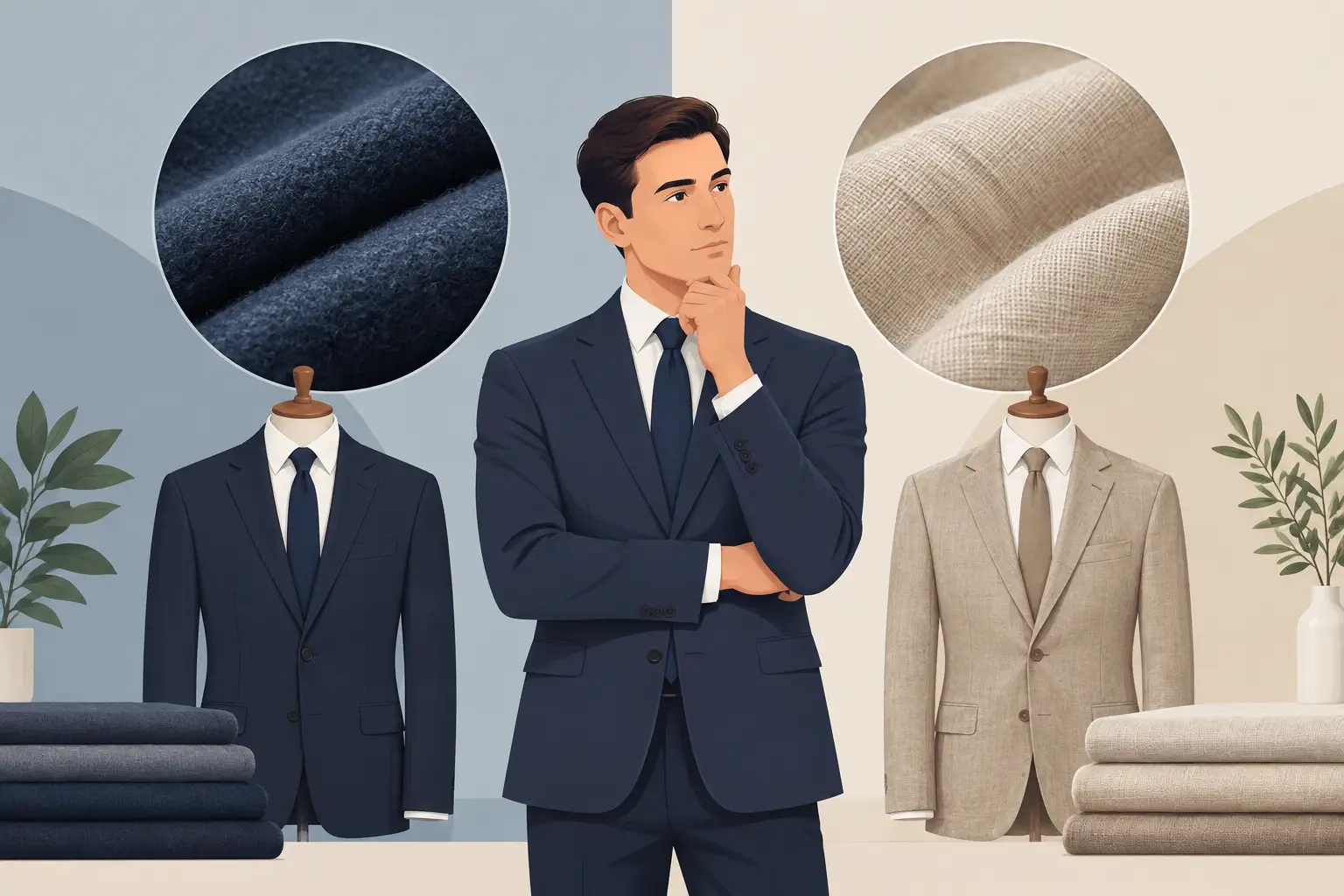
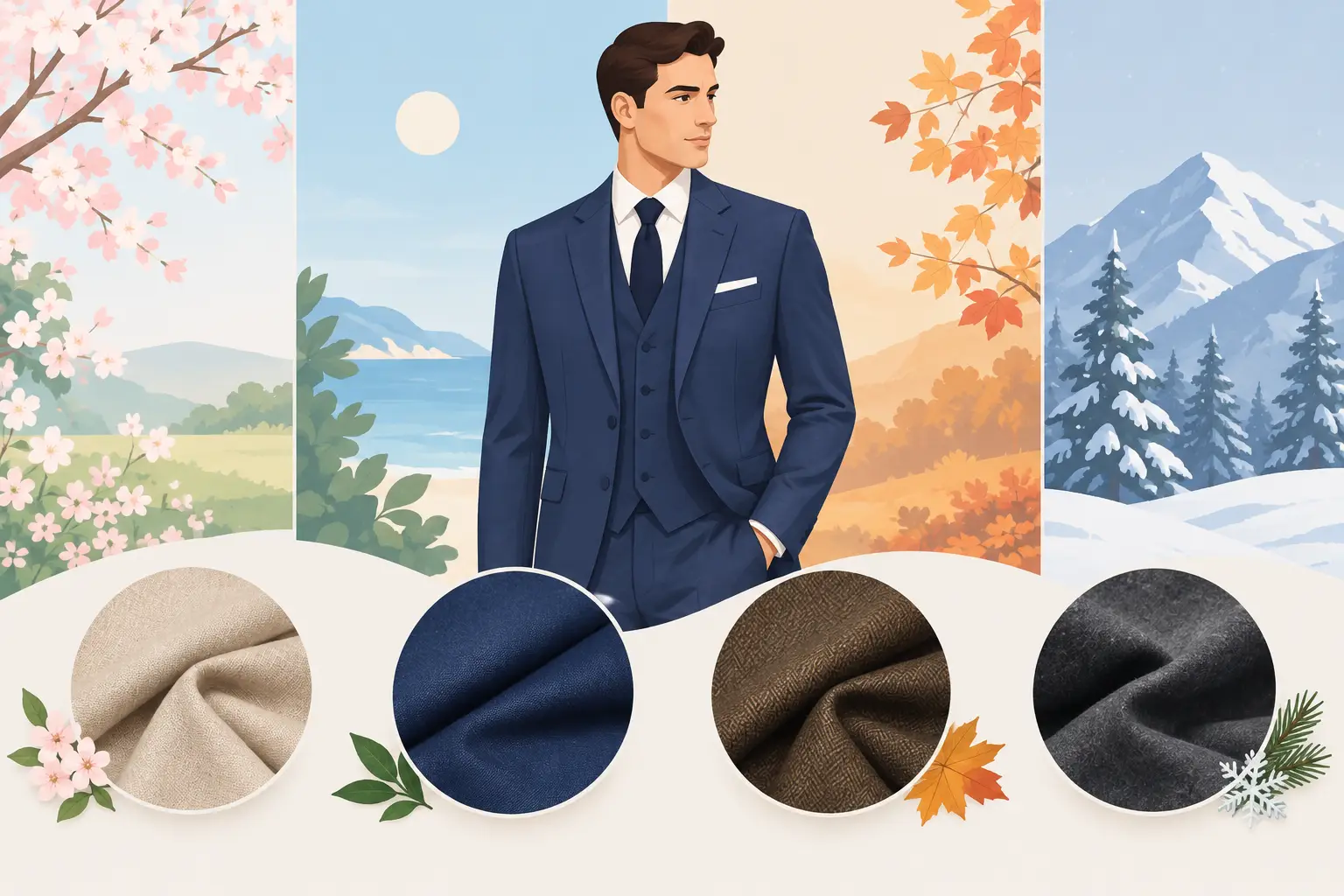
Then there is climate and usage. A man who travels frequently, spends long days in meetings, or attends several summer events in succession may prioritise breathability and crease behaviour differently from someone commissioning a shirt primarily for occasional formal wear. There is no universal best fabric. There is only the right fabric for the role.
The details that separate a good shirt from a distinguished one
Custom shirting becomes especially interesting in the finer points. This is where the garment shifts from well-fitting to unmistakably personal.
Collar choice
The collar is the shirt’s focal point. It frames the face, supports the tie and influences the mood of the outfit. A spread collar offers a balanced, contemporary elegance and works beautifully in business and occasion wardrobes. A semi-spread is often the quiet all-rounder. A point collar can feel leaner and more traditional, particularly suited to certain face shapes and tailoring styles.
The correct collar is not simply a matter of taste. Facial structure, neck length, lapel shape and tie preference all play a part. A strong collar should hold its line through the day and sit correctly whether worn open or with a tie.
Cuffs and placket
Single cuffs suit most business and daily wear. Double cuffs introduce ceremony and are especially effective for weddings, black tie-adjacent styling, and formal professional settings where a little distinction is welcome. Plackets, meanwhile, alter the shirt’s visual sharpness. A cleaner front can appear more refined beneath suiting, while a standard placket may suit more versatile rotation.
Buttons, stitching and finishing
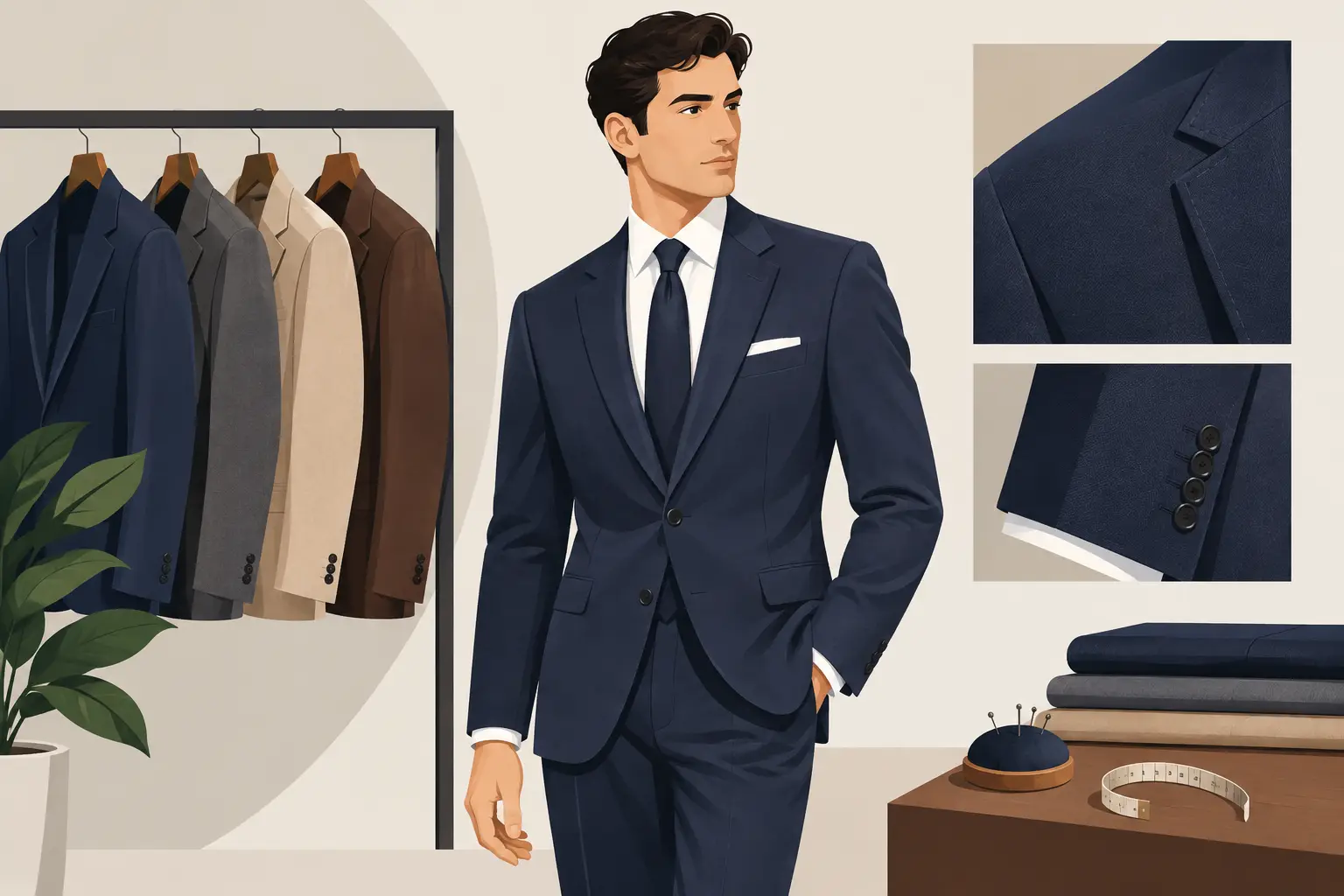
These are the areas many men do not inspect until they have worn a truly well-made shirt. Dense, tidy stitching supports longevity. Quality buttons feel more substantial and sit more attractively. Pattern matching, gussets and neatly executed seams all contribute to a shirt that feels meticulously crafted rather than merely assembled.
None of these details is theatrical. Their purpose is cumulative. They create a garment that looks composed up close and at a distance.
Custom shirts for business, weddings and formal wear
The strongest wardrobes are built with context in mind. A shirt worn three times a week for work should not be designed the same way as one intended for a wedding morning or an evening event.
For business, reliability is everything. The shirt must perform under tailoring, remain comfortable from morning to late evening, and communicate authority without fuss. This is usually where restraint pays dividends – precise fit, excellent cloth, and collars that complement the line of the suit rather than demand attention.
For weddings, the brief changes. The shirt still needs technical precision, but there is more room for character. The scale of the collar, the style of cuff, the brightness of the white, or the choice of cloth can all be calibrated to the occasion, the suit and the role of the wearer. A groom’s shirt should feel exceptional in photographs and effortless in person.
For formal wear, every detail becomes more exposed. Collar height, bib or front styling, cuff finish and shirt length all matter because the standards are less forgiving. Here, custom shirts are often the difference between looking dressed for the event and looking entirely at ease within it.
Why the process matters as much as the shirt
A shirt should never be chosen in isolation. It belongs to a wider wardrobe, and ideally to a wider understanding of the man wearing it.
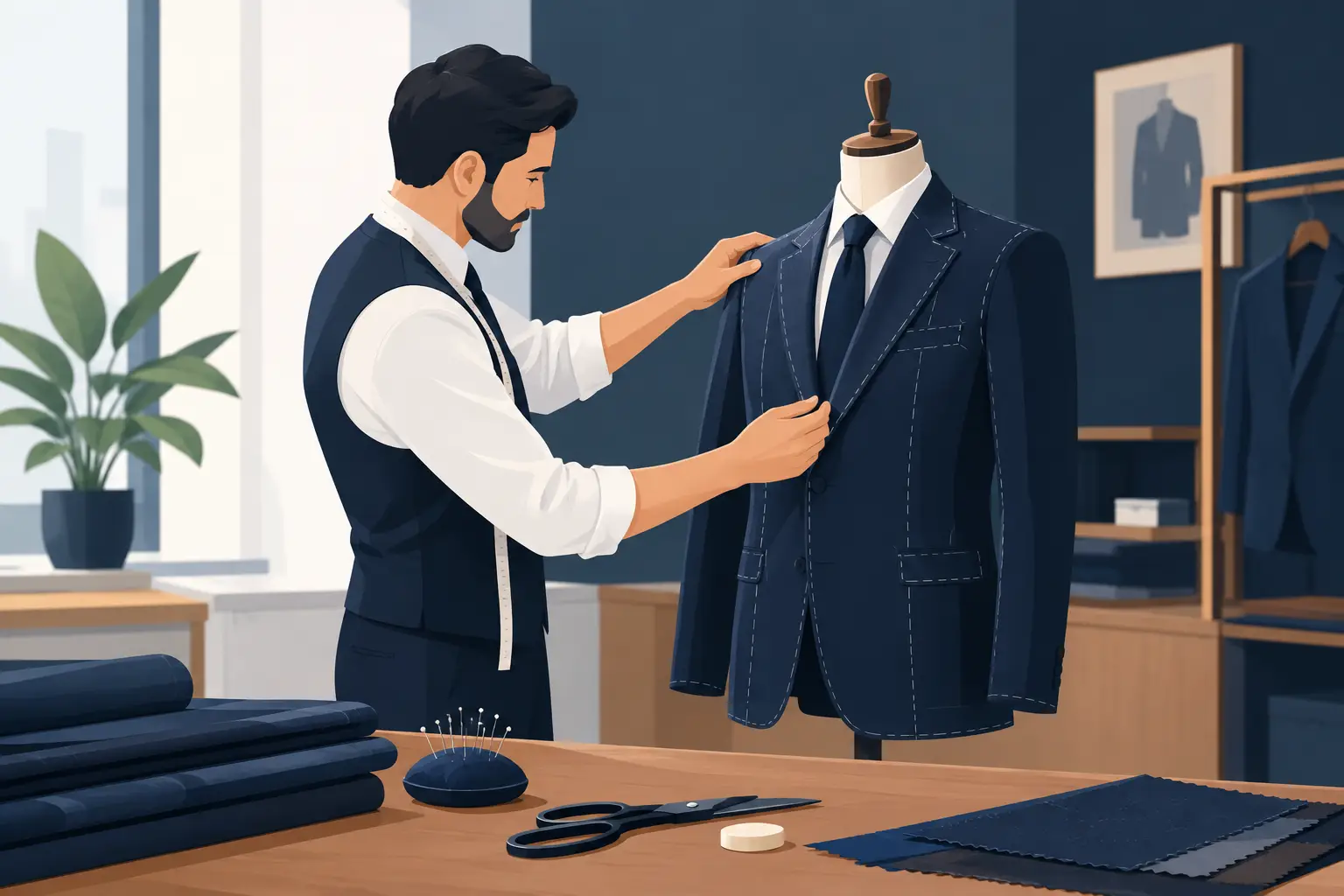
That is why the consultation matters. Proper shirting advice takes account of your existing suits, your working life, your occasion calendar and how you actually dress rather than how you imagine you might. It also considers posture, asymmetry and preference – the realities that standard sizing cannot address gracefully.
For first-time clients, this offers reassurance. For experienced clients, it allows refinement. Over time, custom shirts become less about replacement and more about curation. You begin to understand which collars support your features best, which cuffs suit your routine, and which cloths earn their place through repeated wear.
This is the advantage of craftsmanship-led tailoring. At Manndiip, custom shirting sits naturally within a broader wardrobe conversation, ensuring each piece works not as a standalone purchase but as part of a more sophisticated whole.
A fine shirt does not ask for attention. It brings order to everything around it. Once you have worn one that is cut for your frame, built for your routine and finished with purpose, ordinary shirting rarely feels convincing again.