A great pair of jeans can look disappointingly ordinary for one simple reason – the fit is slightly off in exactly the wrong place. The waist gaps, the hem bunches, the thigh pulls, or the seat sits awkwardly. That is why women’s jeans alterations explained properly matter: denim is one of the most worn fabrics in any wardrobe, yet it is also one of the least forgiving when the cut is not working with the body.
Unlike softer trousers, jeans rely on proportion, topstitching and structural balance. Change one area carelessly and the whole garment can lose its shape, character and polish. Done well, however, alterations can turn a nearly-right pair into the pair you reach for repeatedly.
Why denim alterations are different
Jeans are not altered in quite the same way as tailored wool trousers or casual cotton chinos. Denim is denser, often heavily stitched, and usually finished with distinctive seam construction that is visible by design. The stitching colour, thread weight, wash variation and hardware all contribute to the look, so any adjustment must respect the original architecture of the garment.
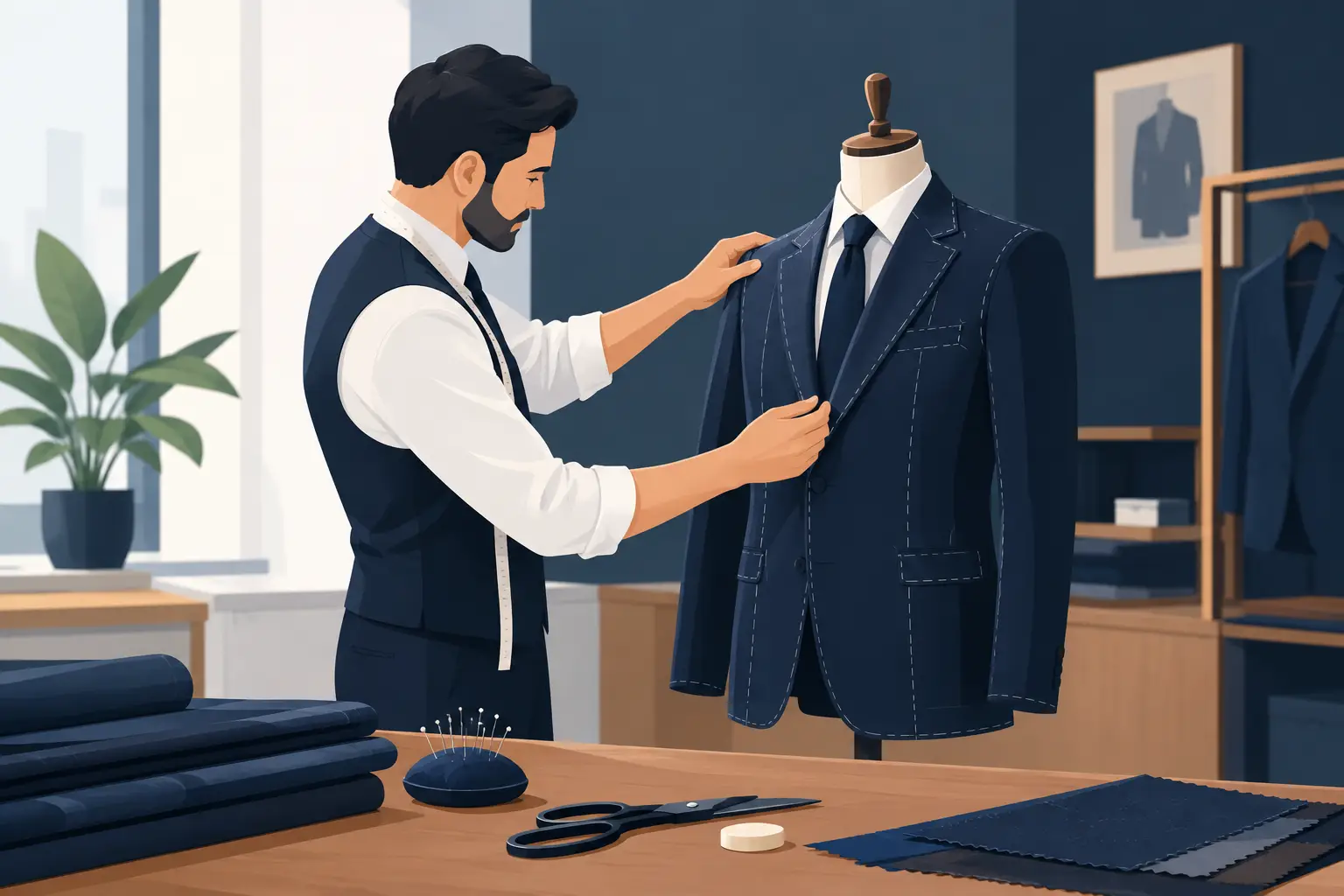
This is where craftsmanship matters. A skilled tailor is not simply making jeans smaller or shorter. They are preserving line, balance and style while refining the fit. On women’s denim especially, the relationship between waist, hip, seat and thigh can be quite precise. A small improvement at the waistband may transform the silhouette, but too much interference can distort the rise or throw the pockets out of position.
Women’s jeans alterations explained by area
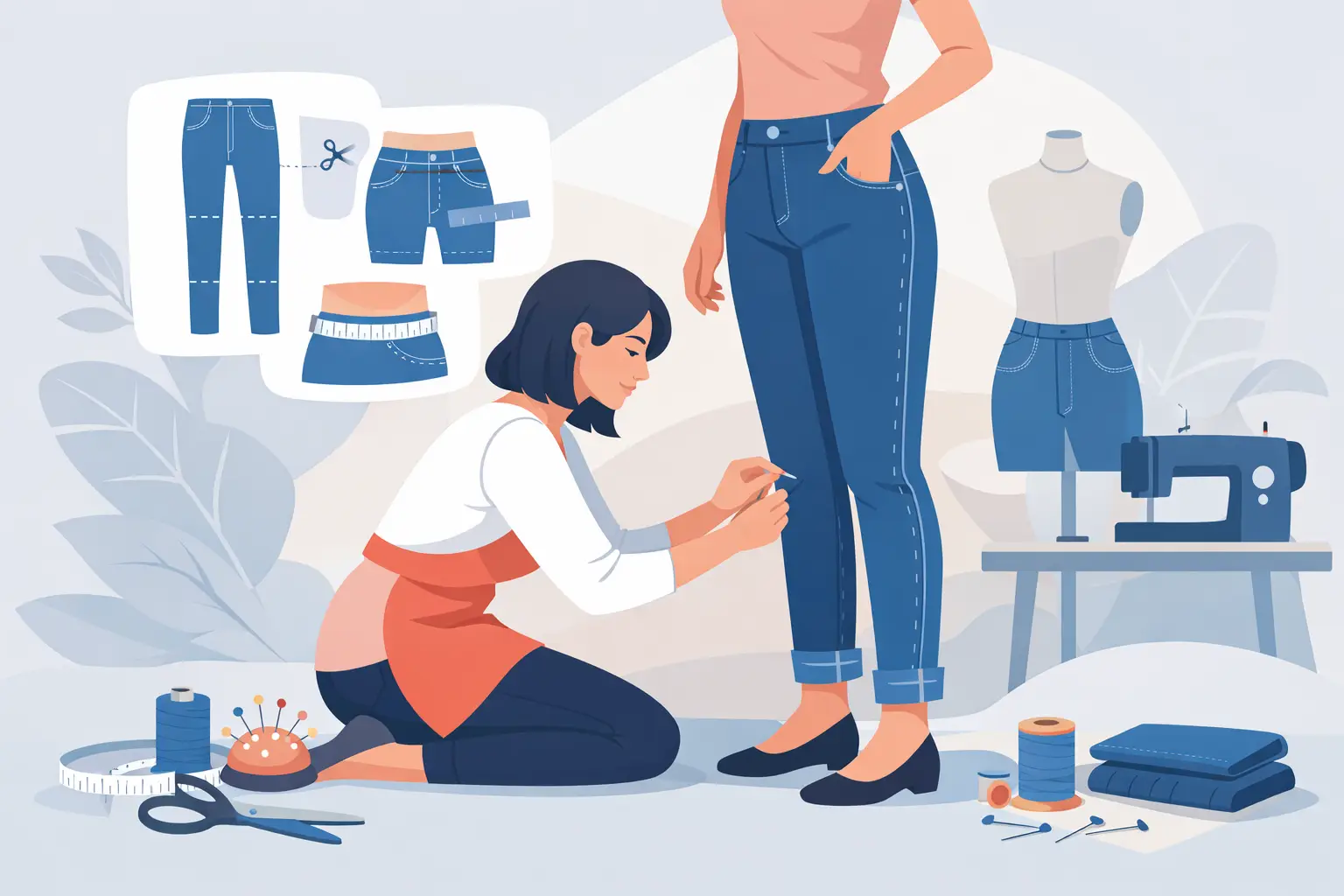
The most useful way to understand jean alterations is to look at what can be changed, and what tends to involve compromise.
Waist adjustments
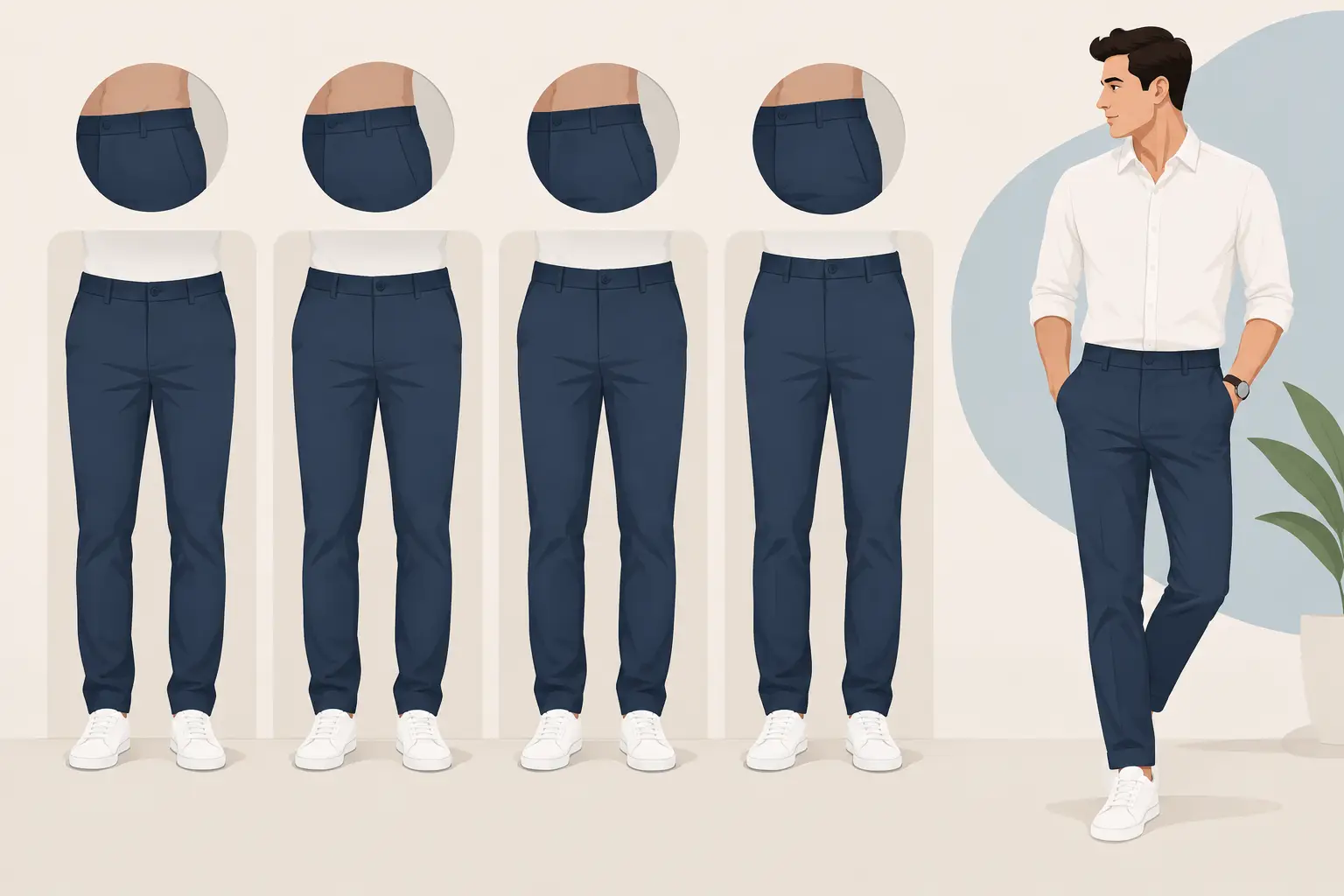
Taking in the waist is one of the most common requests. If jeans fit through the hips and thighs but gape at the back, the waistband can often be reduced to create a cleaner, more secure fit. This is particularly effective when the overall shape suits you and only the waist needs refining.
The extent of the alteration matters. A modest reduction can look very natural. A more aggressive adjustment may affect the back rise, the belt loops and the seat, especially if the original cut was never right for your proportions. In some cases, what appears to be a waist issue is actually a rise or hip issue, and forcing the waistband smaller will not create elegance.
Seat and back rise refinements
If the seat is baggy or collapses under the body, a tailor may improve the fit through the centre back seam. This can sharpen the silhouette and remove excess fabric, but it has to be handled with restraint. Jeans are shaped garments, and taking too much from the back can shift the pockets unnaturally or alter the balance of the rise.
When done with precision, this alteration can be transformative. It brings the denim closer to the body without looking strained, creating a cleaner line from waistband to upper thigh.
Tapering the leg
Many women buy jeans that fit the hips well but feel too wide through the calf or ankle. Tapering can streamline the leg and produce a more polished, contemporary shape. This is often worthwhile if you like the rise, the waist and the wash but want a neater finish below the knee.
The trade-off is proportion. If the leg is narrowed too sharply, the jeans can start to twist, cling in the wrong places or lose the intended style. A straight leg should not be forced into a skinny silhouette unless the fabric and original cut can support it.
Shortening the hem
Hemming is straightforward in theory, but quality depends on how it is done. Many women want jeans shortened while keeping the original hem, especially on premium denim where the wear pattern and finish are part of the appeal. Reattaching the original hem can preserve that character better than a standard cut-and-turn finish.
That said, not every pair benefits from the same method. If the jeans need a substantial amount removed, retaining the original hem can affect the visual balance of fading and break. Sometimes a fresh hem is cleaner. It depends on the wash, the shape and how you plan to wear them – with trainers, heels or boots.
Thigh adjustments
Taking in the thigh is possible, but it is not always the best route. The thigh area is closely connected to the rise and seat, so over-correcting can create tension lines and discomfort. If the jeans are only slightly loose, careful reshaping may work beautifully. If they are significantly oversized through the upper leg, the garment may never sit as intended.
Letting out the thigh is even more limited, as denim rarely includes generous seam allowance. Stretch denim may offer some forgiveness in wear, but structurally there is often little fabric to release.
What usually cannot be fixed perfectly
This is where honest advice becomes more valuable than optimistic promises. Not every pair is worth altering, and not every fit issue has a clean technical solution.
If the rise is fundamentally wrong, the jeans may always feel uncomfortable regardless of waist adjustment. If the crotch depth is off, the result can be pulling, sagging or flattening in ways that no simple alteration fully resolves. Likewise, if pockets sit too low, too wide or too close together, changing the fit may only make that more obvious.
The wash also complicates matters. On heavily faded denim, seam adjustments can reveal darker fabric lines where the material was previously folded or stitched. This does not always ruin the jeans, but it should be expected. Premium results require realism as well as skill.
Stretch denim versus rigid denim
Fabric composition changes the conversation. Stretch denim is usually more forgiving in wear but can be trickier in alteration because the fit is partly dependent on recovery. A pair may feel tight in the fitting room and then relax after an hour. Alter too quickly and you risk overfitting.
Rigid denim behaves more honestly. It does not disguise poor fit, but it also gives a clearer foundation for precise alteration. Once shaped correctly, it often holds that structure well. The best approach is to assess the denim after real wear, not just a quick try-on under shop lighting.
When alterations are worth the investment
The simplest answer is this: alter jeans when the bones are right. If the rise suits you, the wash flatters, the quality is strong and the jeans already work in most areas, tailoring can elevate them significantly. A refined waist, a sharper leg and a considered hem can make off-the-peg denim feel far more intentional.
If, however, the jeans are wrong in several places at once, alteration costs can rise while results remain compromised. A pair bought cheaply but altered heavily may still look less polished than a better-cut pair adjusted lightly. The value lies in the final fit, not in the original price tag.
How a proper fitting should work
A good denim fitting is not rushed. The tailor should assess how the jeans sit when you stand, walk and sit down. They should notice whether the waistband lifts, whether the fabric strains across the front, whether the seat collapses, and whether the hem length works with the footwear you actually wear.
Just as importantly, they should ask what you want the jeans to do. A sleek ankle-length silhouette for city dressing is different from a more relaxed weekend cut. Precision is not only technical – it is stylistic. At Manndiip, that principle sits at the heart of all alteration work: the garment must flatter the individual, not simply conform to a measurement.
Women’s jeans alterations explained in practical terms
If you are considering alterations, start with one question: is this pair close enough to deserve refinement? If the answer is yes, an expert tailor can often correct the details that make denim feel mediocre. The waistband can be cleaned up, the leg can be sharpened, and the hem can be set to the right break for your shoes and your style.
The best results come from restraint, judgement and respect for construction. Jeans should still look like themselves when the work is complete – only better balanced, better fitted and far more flattering. That is the mark of proper craftsmanship.
Clothes earn their place in a wardrobe when they make dressing feel effortless. When your jeans sit exactly where they should, everything above and below them looks more considered too.