
A man in a well-cut suit can still look slightly unfinished if the foundation is wrong. Trousers that slip, a waistband that bunches under the coat, or a belt slicing across the line of the jacket will quietly undermine the silhouette. That is why knowing how to style braces with a suit matters. Done properly, braces do far more than hold up your trousers – they refine proportion, clean up the waist, and bring a distinctly polished character to tailoring.
Braces belong to the language of classic menswear, but they are not a costume detail. In a contemporary wardrobe, they can look every bit as relevant in a boardroom or at a wedding as they do in black tie. The key is restraint. The suit, the shirt and the braces must work as one considered composition, not as three competing statements.
Why braces work so well with tailoring
From a construction point of view, braces support trousers from the shoulder rather than cinching them at the waist. That changes the entire line of the garment. The front remains cleaner, the cloth hangs more elegantly, and the rise sits where it was intended to sit. With a properly tailored trouser, this creates a longer, more composed silhouette through the torso and leg.
There is also a practical advantage. Belts are useful, but with suiting they often solve a problem that should not exist in the first place. If trousers fit correctly, they should not need to be pulled in aggressively at the waist. Braces allow the trouser to drape rather than grip. For men who wear higher-rise tailored trousers, this is particularly effective.
That said, braces are not right for every suit. If your trousers are cut very low on the waist or extremely slim through the seat and thigh, braces may feel forced rather than natural. They work best when the tailoring has enough shape and balance to support them.
How to style braces with a suit without looking theatrical
The simplest rule is this: braces should support the suit, not dominate it. If they are the first thing anyone notices, the styling is probably too loud.
Start with the trouser design. Traditional braces are meant to fasten to brace buttons set inside the waistband. This is the cleanest and most refined option. Clip-on braces exist, but with a tailored suit they usually compromise the cloth and read as an afterthought. Side adjusters or a plain waistband pair exceptionally well with braces because they avoid visual clutter at the waist.
The next consideration is width. Narrow braces can look fashion-led and occasionally a touch flimsy with formal tailoring. Wider braces, usually around 3.5cm, tend to sit better with a structured jacket and fuller trouser line. They feel more balanced against lapels, shirt collar and jacket chest. If your frame is slight, you can go a little narrower, but extremes in either direction rarely flatter.
Material matters too. Leather-ended braces with a quality elastic or woven body sit comfortably within a premium tailored wardrobe. They suggest intention and craftsmanship. Bright novelty finishes or overly shiny elastic can cheapen an otherwise elegant suit.
Choosing the right braces for the occasion
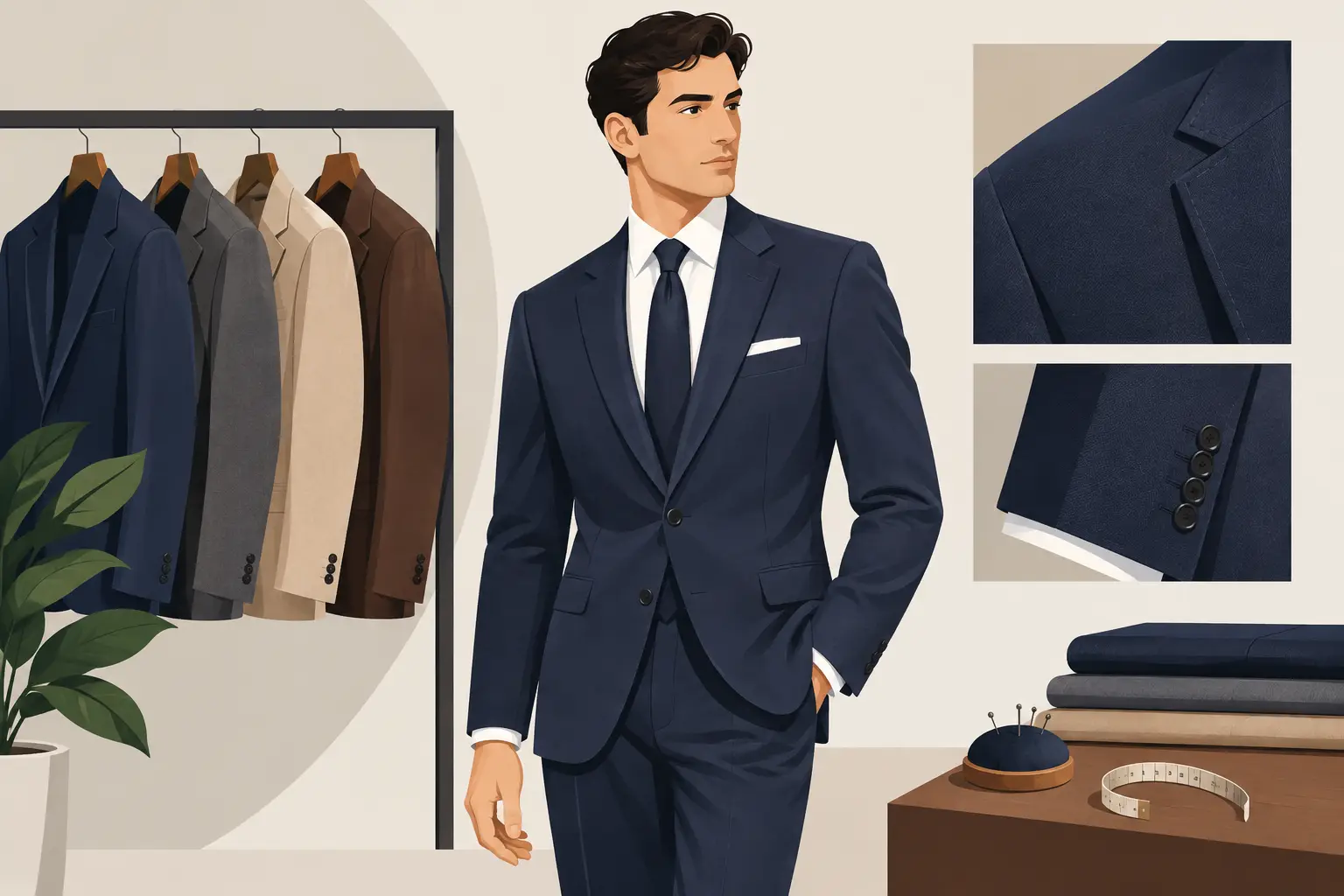
Business suiting calls for subtlety. Navy, charcoal and mid-grey suits are best served by braces in dark navy, black, burgundy or deep bottle green. These shades add depth without pulling attention away from the overall tailoring. In a professional setting, the impression should be composed and assured.
Weddings allow more personality, but the suit should still lead. If the groom is wearing a three-piece suit, braces can still have a role, especially for comfort over a long day, though they will be mostly hidden beneath the waistcoat and jacket. In that case, choose them for function and private elegance rather than display. A silk tie, textured waistcoat or flower in the buttonhole already provides enough visual interest.
For black tie, braces are entirely appropriate and often preferable. They help dinner trousers sit correctly without disturbing the clean front. White braces are traditional, although black can also be discreet if they are not intended to be seen. The point is not to show them off, but to preserve the line of the eveningwear.
Country tailoring and tweed offer a little more freedom. Textured braces in richer colours or subtle patterns can complement the earthier character of the cloth. Even here, however, harmony is more elegant than contrast for its own sake.
Colour and cloth: what actually goes together
When clients ask how to style braces with a suit, they often focus first on matching colours exactly. That is not usually the right approach. Braces do not need to match the suit cloth in a literal sense. They need to sit comfortably within the same palette.
With a navy suit, dark blue braces are the safest choice, but burgundy can be excellent if echoed elsewhere in the look, perhaps in the tie or pocket square. With charcoal, black or deep grey braces keep everything sharp and metropolitan. Mid-grey is more flexible and can take navy, black or dark wine tones.
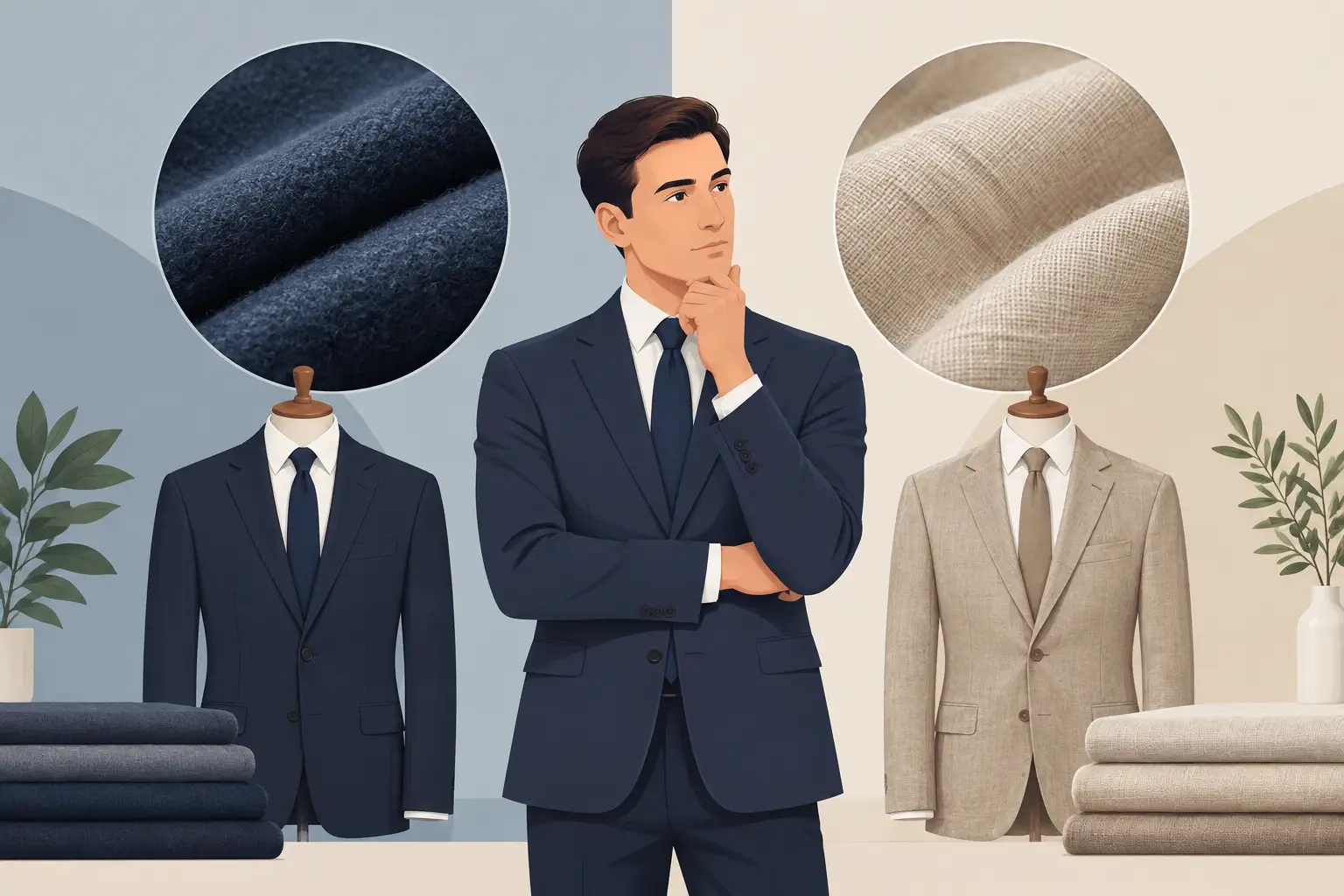
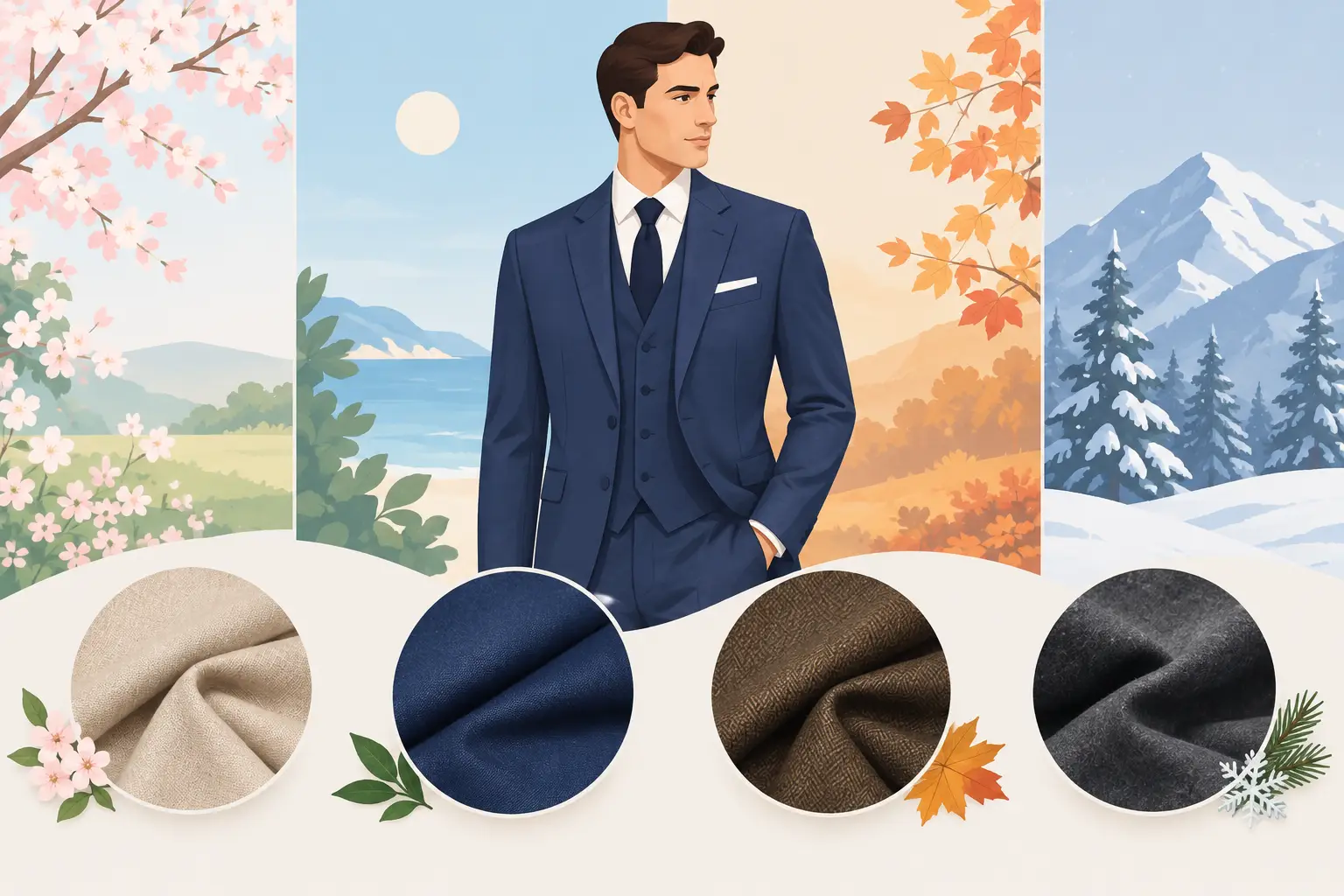
Texture deserves as much attention as colour. A sleek worsted business suit works best with refined braces that feel smooth and understated. A flannel suit can accommodate a slightly softer texture. Tweed or brushed wool opens the door to braces with more visual substance, including striped or woven finishes, provided the shirt and tie remain controlled.
Pattern is where restraint becomes especially valuable. If the suit already carries a check, and the shirt has a stripe, plain braces are usually the wisest decision. If the tailoring is plain, a discreet stripe in the braces can add character. The balance should feel considered, not busy.
Shirt, jacket and brace visibility
Braces are traditionally an underlayer. They are not meant to be on constant display in the way a tie or pocket square is. In formal and business settings, they should be glimpsed rather than presented.
That means the jacket should stay on when the situation calls for polish. Taking it off at a reception or later in the evening is one thing. Arriving with the braces fully exposed and styled as the central feature is another. The latter can feel affected unless the setting is deliberately relaxed.
Your shirt should also support the look. A clean, well-fitted shirt with enough room through the chest and shoulder will let the braces sit flat. If the shirt is too tight, the braces will pull and distort the placket. White remains the most versatile option, though pale blue and subtle stripes can work beautifully with business tailoring.
Collar shape and cuff choice should reflect the formality of the suit, not the braces themselves. Keep the hierarchy clear: tailoring first, then shirt and tie, then supporting details.
Fit matters more than the braces themselves
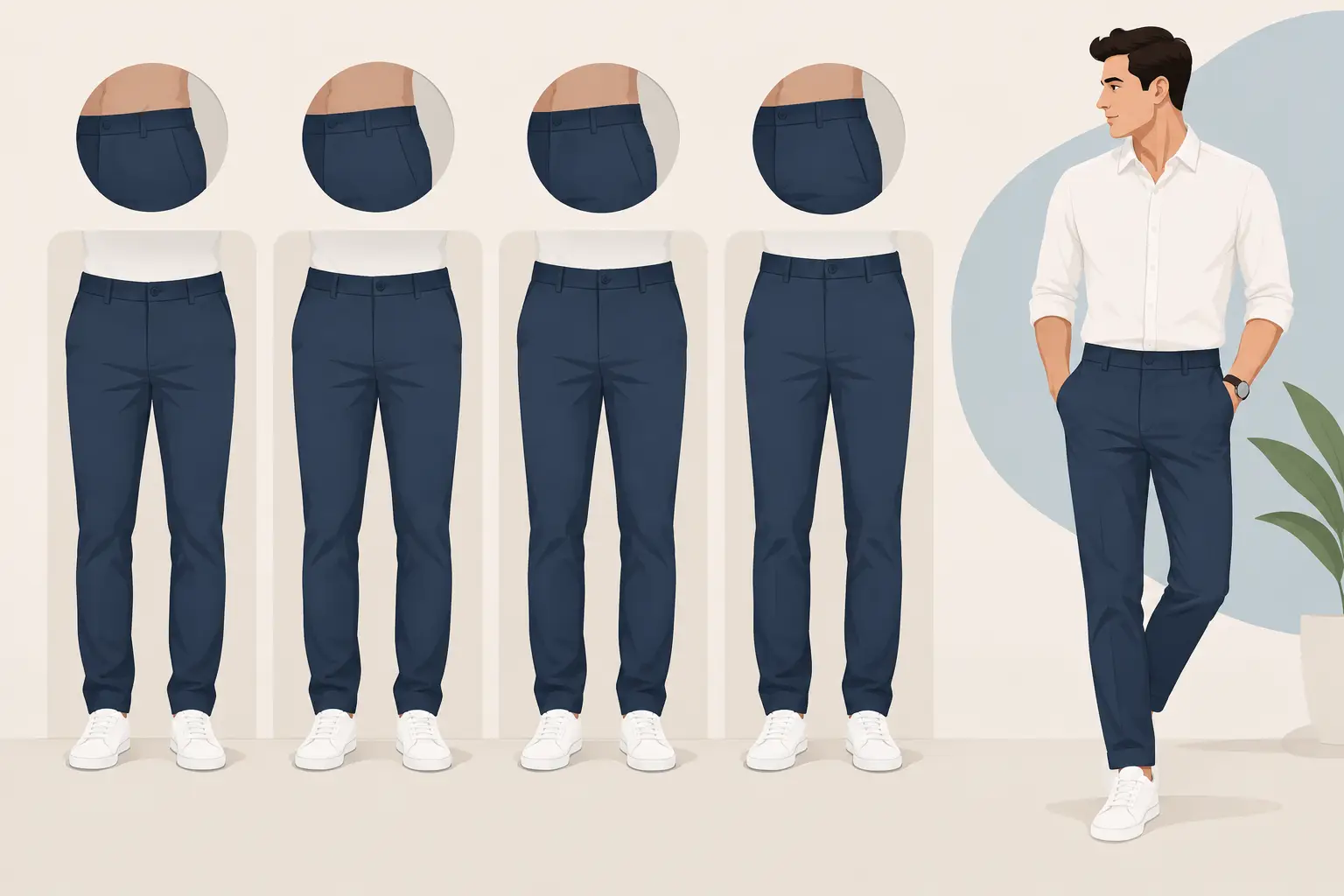
The most elegant braces in the world cannot rescue a poorly cut trouser. For braces to work properly, the trouser rise, waistband shape and seat must be right. The waistband should sit cleanly against the body without collapsing. The front should remain smooth when standing, and the leg should fall without strain from hip to hem.
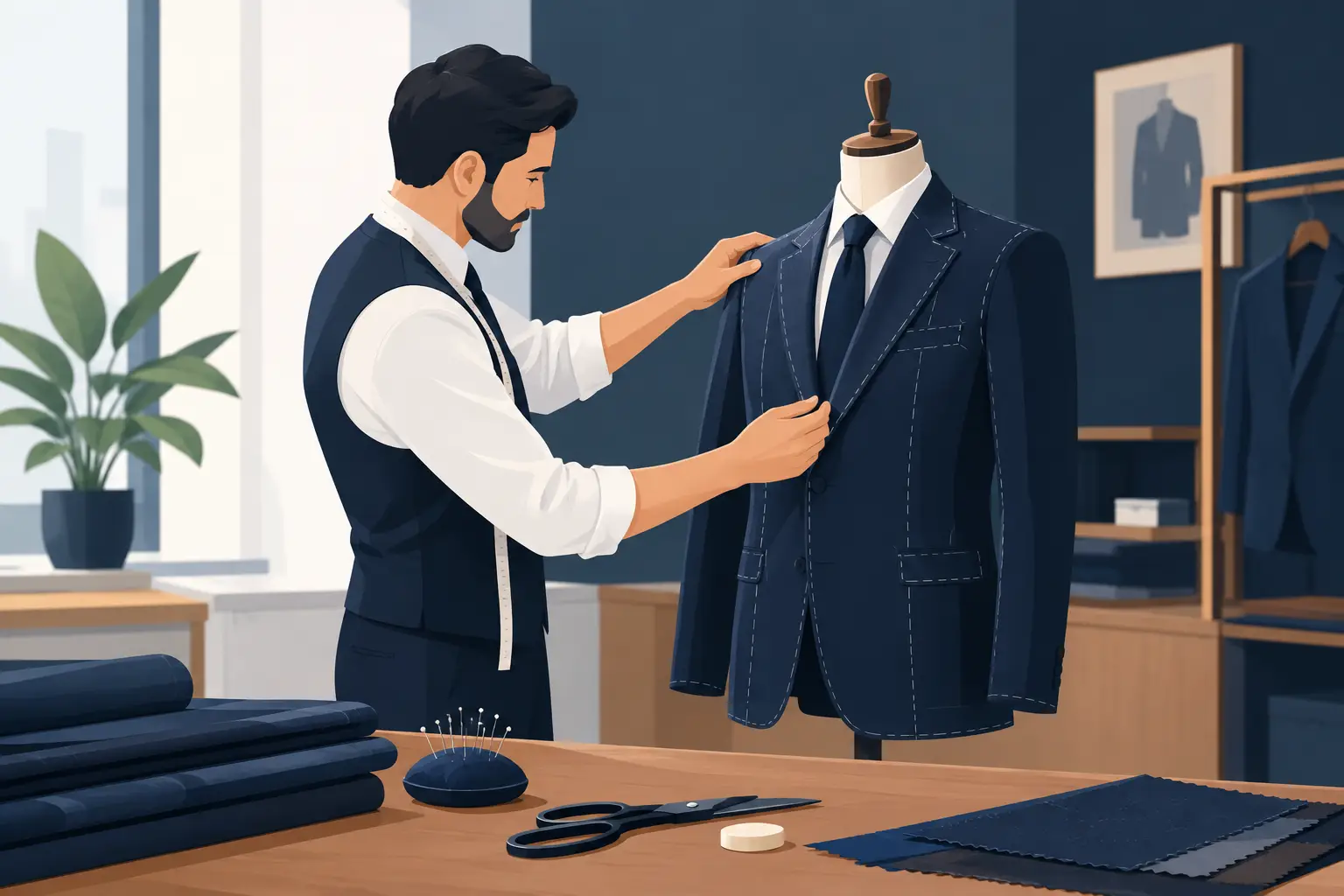
This is where bespoke or carefully altered tailoring makes a marked difference. Brace buttons must be positioned correctly, the rise must suit your proportions, and the trouser must be balanced to hang from the shoulder rather than cling at the waist. A man wearing braces should look more comfortable, not more constrained.
There is also a question of body shape. For some men, braces create a cleaner result than belts, especially if the waist is not dramatically smaller than the hips. For others, particularly if they prefer very minimalist, close-cut contemporary tailoring, braces may feel unnecessary. Style should always follow proportion.
Common mistakes to avoid
The first mistake is wearing a belt with braces. It is redundant and visually confused. Choose one system or the other, never both.
The second is relying on clip-ons with a proper suit. They may be convenient, but they rarely look refined and can damage the waistband over time. If you are investing in quality tailoring, brace buttons are the correct finish.
The third is turning braces into a novelty. Loud colours, gimmick motifs and exaggerated contrast can quickly reduce an otherwise sophisticated outfit to a talking point. That may work at a themed party. It will not deliver sartorial sophistication.
The final mistake is ignoring the line of the jacket. If the braces pull awkwardly under the cloth or create tension across the chest, the proportions are wrong. The solution is not to force the styling, but to refine the fit.
Well-worn braces have a quiet authority about them. They suggest a man who understands not only what tailoring looks like, but how it is meant to function. If you choose them with care, cut the trousers properly, and keep the overall composition disciplined, they will add elegance without trying too hard. That is usually where the best dressing begins.