Few outfits expose poor fit faster than morning dress. The cut is formal, the silhouette is unforgiving, and every detail sits under scrutiny from the first photograph to the final toast. A proper guide to men’s wedding morning dress, then, is not simply about knowing what to wear. It is about understanding proportion, correctness and the quiet authority that comes from garments cut with purpose.
Morning dress remains the most formal daywear in a gentleman’s wardrobe, traditionally worn for weddings, royal enclosures and other ceremonies held before evening. For the groom, it carries a particular weight. Done well, it looks assured and distinguished. Done badly, it can feel theatrical, rented or oddly incomplete.
What men’s wedding morning dress actually includes
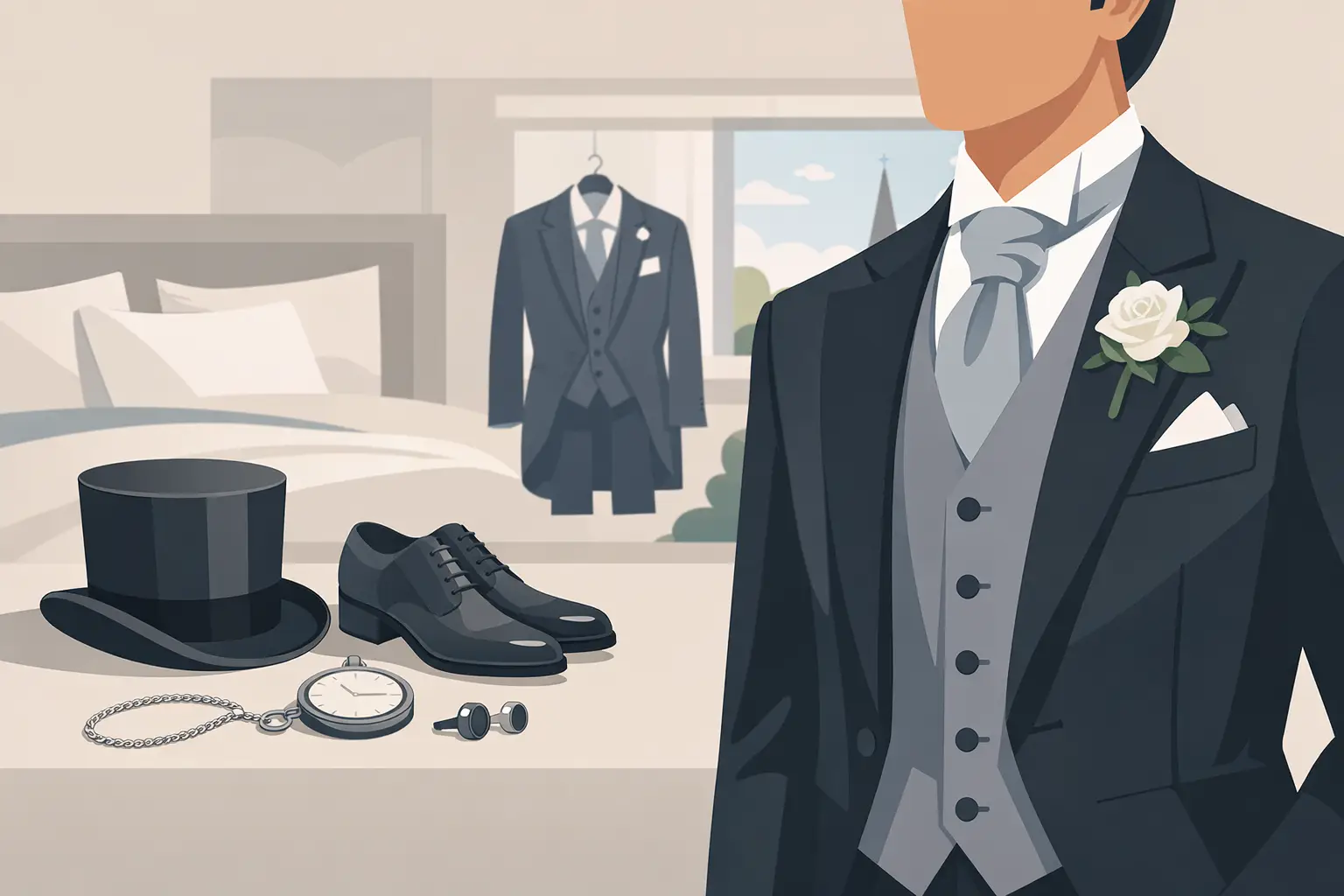
At its core, morning dress is built from a morning coat, formal striped or checked trousers, a waistcoat, a shirt, a tie or cravat, and highly polished black shoes. The morning coat is the defining piece. Cut away at the front with tails falling behind, it creates a long, elegant line that separates it from a standard lounge suit or black tie ensemble.
Traditionally, the coat is black or charcoal. Charcoal often feels slightly softer and more contemporary, while black reads as the most formal choice. Neither is inherently better. The right option depends on the tone of the wedding, the venue and how traditional you want the overall impression to feel.
The trousers should not match the coat. This is one of the most common errors men make when trying to improvise morning dress. Proper trousers are usually black and grey striped cashmere blend or wool, though subtle checks can also work. The contrast between coat and trouser is what gives the ensemble its distinctive authority.
A guide to men’s wedding morning dress starts with fit
No fabric, accessory or finishing detail can rescue a poorly cut morning coat. Fit is where the look is won.
The shoulder line should be clean and balanced, with enough structure to frame the chest without appearing rigid. The coat should shape the waist with control, not pinch it. Because of the cutaway front, the waist suppression is especially visible, which means an imprecise fit will show immediately. If the coat pulls at the button stance or collapses through the skirt, the silhouette is lost.
Length matters just as much. The tails should fall neatly and proportionately, neither too short nor excessively dramatic. An overlong coat can swamp a shorter frame, while an abbreviated one looks mean and incorrect. This is why morning dress benefits so much from bespoke or precise made-to-measure work. The pattern must respect your height, posture and body balance.
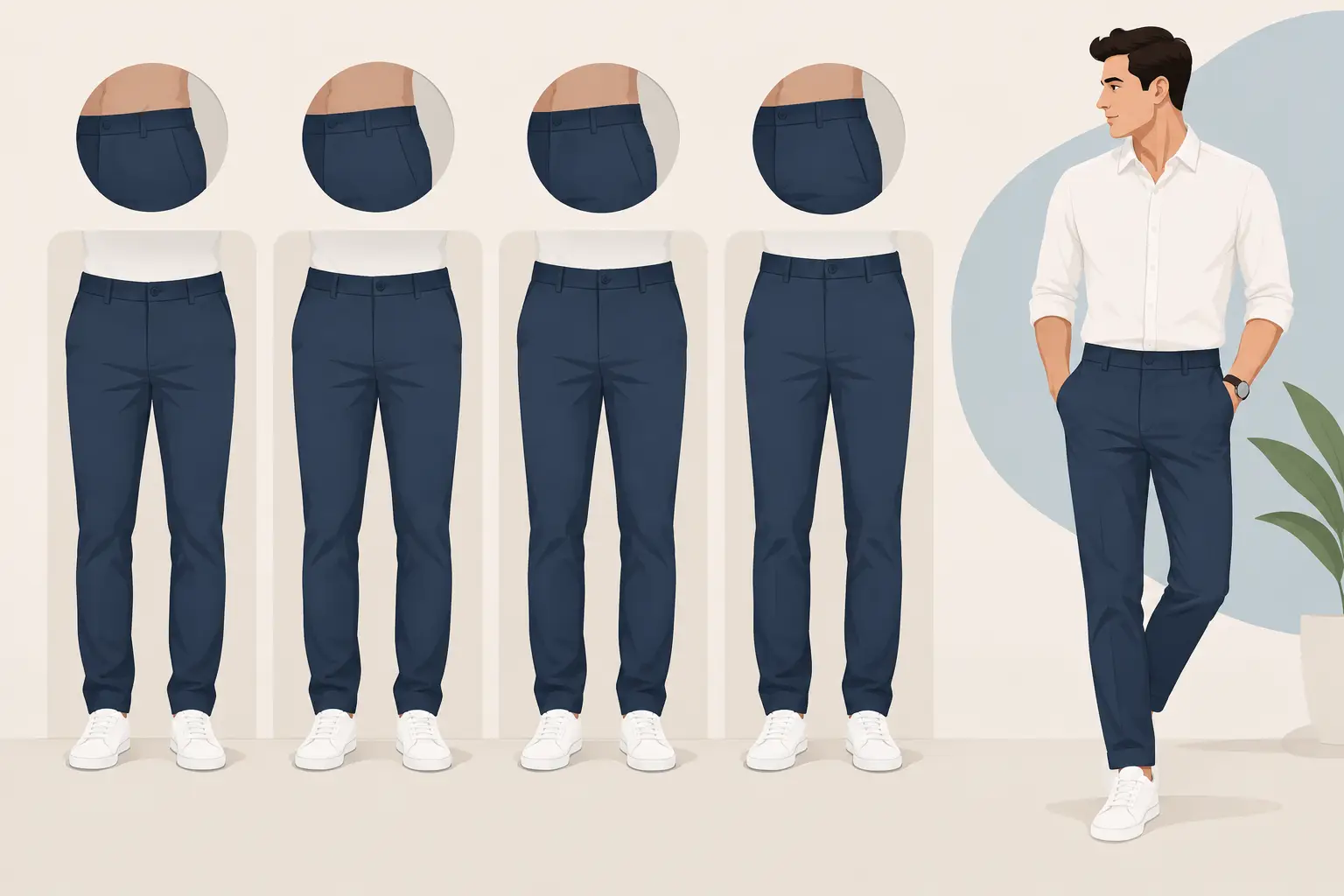
Trousers should sit cleanly at the waist, with a line that remains elegant through the thigh and falls neatly over the shoe. Too narrow, and they look fashion-driven rather than ceremonial. Too full, and the outfit loses sharpness. The best cut offers room without excess.
Choosing the right waistcoat
The waistcoat is where personality enters the picture, but it still needs restraint. In a wedding setting, buff, dove grey and pale blue remain enduring choices because they brighten the chest and complement the formal structure of the coat. A double-breasted waistcoat adds gravitas and often feels more complete under morning dress, though a single-breasted version can be equally elegant if properly cut.
There is room here for individual taste. Some grooms prefer a traditional buff waistcoat for a classic country-house wedding. Others lean towards a soft powder blue or silver-grey to echo the wedding palette. What matters is that the colour supports the formality of the outfit rather than competing with it.
If you are the groom, your waistcoat can distinguish you from the rest of the party without resorting to novelty. A subtle difference in cloth, texture or tone is often enough. The goal is leadership, not costume.
Shirt, collar and neckwear
The shirt should be crisp, refined and free from fuss. A white shirt remains the safest and strongest option, usually with a structured collar that can hold its shape throughout the day. Morning dress is not the place for casual collar rolls, limp fabrics or shiny novelty weaves.
The choice between a tie and a cravat depends on the tone of the wedding. A neatly tied silk tie often feels cleaner and more contemporary, while a cravat leans more traditional and can suit a very formal or heritage-led celebration. Neither should be overly glossy or loud. Morning dress already carries visual presence. It does not need help from aggressive pattern.
A well-chosen tie knot should sit with poise rather than bulk. Balance is everything. If the waistcoat is detailed, keep the tie quieter. If the waistcoat is understated, a little texture in the tie can add depth.
Shoes, socks and finishing details
Black Oxford shoes are the standard and, in most cases, the best choice. They should be polished properly, with elegant shape rather than heavy bulk. Morning dress is formal daywear, so the footwear must support that precision.
Socks should be dark and long enough to avoid any break in the line when seated. This sounds minor until the photographs arrive. Formal dressing is often decided by details no one notices until they are wrong.
A white linen pocket square is usually sufficient. You may add discreet cufflinks, but they should feel refined, not flashy. If you wear braces, they should support the trouser line invisibly and comfortably. This is one of those hidden elements that changes how a garment sits across the whole day.
Boutonnières deserve a word of caution. They can be elegant, but scale matters. A flower that is too large or too bright can upset the balance of the coat front. Smaller and more controlled is nearly always better.
Traditional, modern or somewhere in between
One reason men seek a guide to men’s wedding morning dress is that modern weddings rarely follow one strict rulebook. You may be marrying in a Mayfair church, a country estate in Yorkshire or a city venue with a more contemporary tone. Morning dress can adapt, but only to a point.
If the wedding is highly traditional, lean into the classic codes. A black or charcoal coat, striped trousers, buff or dove grey waistcoat, white shirt and sober tie will always look correct. If the event is more modern, there is room for a lighter waistcoat, a softer colour story or a slightly cleaner silhouette. What should not change is the integrity of the garment.
That is the trade-off worth understanding. The more you push morning dress towards fashion, the easier it is to lose what makes it impressive in the first place. A tasteful evolution works. Reinventing the entire format rarely does.
The groom versus the morning suit party
The groom should look connected to his party, but not identical unless that is a deliberate choice. Often, the smartest approach is to keep the same foundation across the group while giving the groom a distinct waistcoat, tie or cloth quality. That creates hierarchy without forcing contrast.
For fathers, brothers and ushers, consistency matters. If one man wears a sharply cut charcoal coat and another arrives in a baggier hire piece with a shiny finish, the entire visual line suffers. This is where professional guidance is valuable. Morning dress works best when the group reads as coherent.
If members of the party have very different builds, resist the temptation to force one proportion onto everyone. A taller man may carry a more sweeping silhouette, while a shorter man benefits from tighter control in coat length and waist placement. Uniformity should come from style, not identical cut.
Why tailoring changes everything
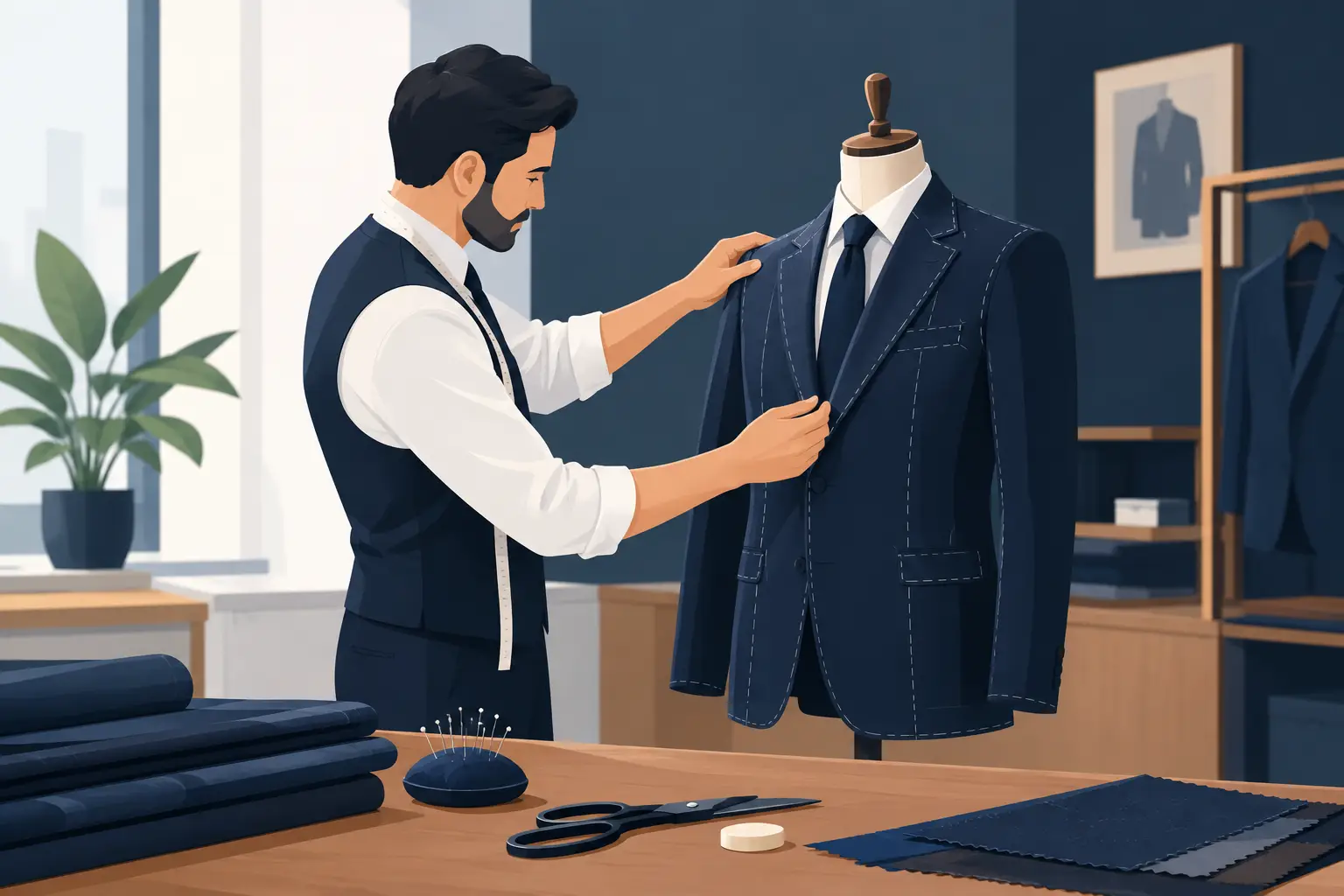
Morning dress is one of the clearest arguments for bespoke tailoring. The garment asks more of the pattern than an ordinary suit. The cutaway front, the balance of the skirt, the suppression through the waist and the relationship between coat, waistcoat and trouser all need careful handling.
This is not merely about comfort, though comfort matters across a long wedding day. It is about poise. A properly tailored morning coat sits quietly. It does not pull, kick, gape or shift unnecessarily as you move. It allows you to stand naturally and still appear composed.
At a house such as Manndiip, the advantage lies in shaping each element around the wearer rather than asking the wearer to submit to a stock block. That distinction shows in photographs, in movement and in the confidence of the man wearing it.
Common mistakes to avoid
The most frequent mistake is treating morning dress like a theatrical costume rather than formal clothing. Oversized coats, flashy waistcoats, novelty cravats and synthetic shine all cheapen the effect. Morning dress should feel elevated, not exaggerated.
Another error is neglecting alterations. Even a decent ready-made garment can be improved significantly with the right adjustments, while an expensive one can still fail if the balance is wrong. Sleeve length, trouser break, waistcoat depth and coat suppression each matter.
Finally, do not leave decisions until the last moment. Morning dress has more moving parts than a standard suit, and each part affects the next. Time allows for fittings, refinements and calm choices instead of rushed compromises.
Wedding dressing is never just about formality. It is about being equal to the occasion. When morning dress is chosen with judgement and cut with precision, it gives a groom something more valuable than spectacle. It gives him presence.